PeptProblog
HomeHealthSide EffectsNutritionExercise & Body
Download App
PeptPro
blog

Evidence-based content to support those who take their peptide protocol seriously.

Navigation

  • Home
  • Categories

Categories

  • Health
  • Side Effects
  • Nutrition
  • Exercise & Body
  • Mental Health
  • How to Use
  • Treatment

App PeptPro

Track your peptide protocol right from your phone.

Download on theApp Store
GET IT ONGoogle Play
© 2026 PeptPro. All rights reserved.
PrivacyTerms of Use
  1. Home
  2. ›Blog
  3. ›Nutrition
  4. ›Hydration and Ozempic/Wegovy: How Water Intake Impacts Your GLP-1 Results
Nutrition

Hydration and Ozempic/Wegovy: How Water Intake Impacts Your GLP-1 Results

Jun 13, 2026·11 min read·19 views·Equipe Editorial PeptPro

Most GLP-1 patients focus on diet and injections, but overlook hydration, a fundamental factor that directly influences medication efficacy and side effects.

title: "Hydration and Ozempic/Wegovy: How Water Intake Impacts Your GLP-1 Results"
slug: hydration-ozempic-water-intake-glp1
language: en
categoryId: 495c582d-dd1d-4ae0-9da9-7b720eff7b46
siteId: peptideo
excerpt: "Most GLP-1 patients focus on diet and injections, but overlook hydration, a fundamental factor that directly influences medication efficacy and side effects."
metaTitle: "Hydration and Ozempic: How Water Intake Impacts Your GLP-1 Results"
metaDescription: "Learn how much water to drink on Ozempic, signs of dehydration, and how proper hydration reduces GLP-1 side effects and improves weight loss results."
keywords: ["hydration Ozempic","water intake GLP-1","Ozempic side effects hydration","dehydration semaglutide","water and weight loss medication","hydration weight loss results"]
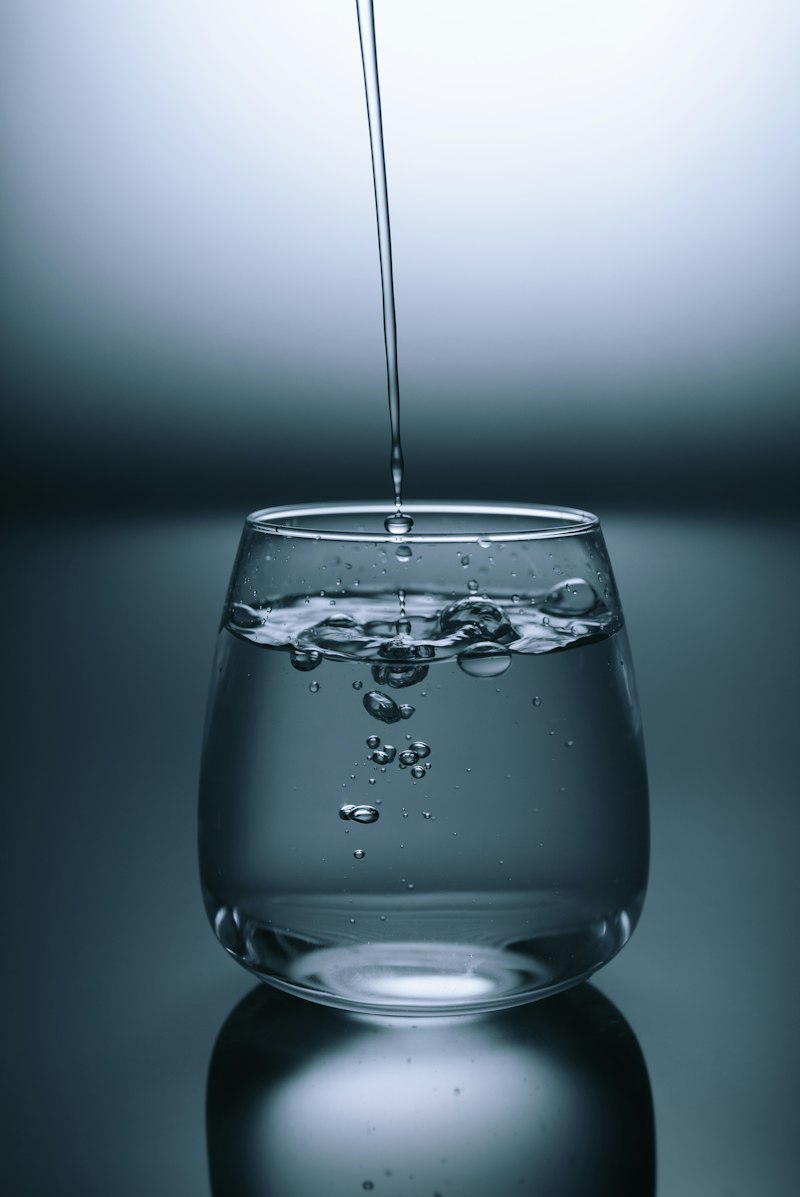
A glass of fresh water with lemon on a sunny table

If there's one thing that slips under the radar for most people starting Ozempic, Mounjaro, or Wegovy, it's water. Not the medication itself. Not the injection site. Not even the meal plan. Water. Plain, boring, free-flowing water.

Everyone talks about eating right and taking the shot on time. Far fewer people mention that drinking enough fluids throughout the day can actually determine how well semaglutide or tirzepatida works inside your body, and how miserable or manageable your side effects feel. This is not a small detail. Dehydration is one of the most common and underreported issues during GLP-1 therapy, and it shows up in ways that people rarely connect back to their fluid intake.

If you want to stay on top of your hydration, check the app here. The app lets you log water intake, symptoms, and injection details in one daily record, so patterns become easy to spot over time. You can download it here and start tracking today.

Why Your Body Needs More Water on GLP-1 Medications

GLP-1 receptor agonists work by mimicking a hormone that tells your brain you are full. They slow gastric emptying, reduce appetite, and help insulin do its job more effectively. All of that sounds great on paper. The problem is that same mechanism creates conditions where water loss accelerates without you noticing.

When you eat less because your appetite is suppressed, you also take in less water from food. Many cooked meals contribute a surprising amount of hydration. Skip those meals or cut them drastically, and your daily water balance shifts. Add in gastrointestinal side effects like nausea, vomiting, or diarrhea, and you have a perfect scenario for fluid depletion.

Research published in Nutrients by Zambrano-Villacres and colleagues in 2026 specifically examined nutrition-first support strategies for patients on GLP-1 and dual incretin therapies. Their work highlighted that inadequate fluid intake undermines the body's ability to metabolize the medication efficiently and can amplify common adverse effects. In plain terms: if you are not drinking enough water, you are essentially working against the medication instead of with it.

Johnson and collaborators reached a similar conclusion in a 2025 paper in the Journal of Internal Medicine, where they explored the relationship between water scarcity, conservation, and obesity. While their primary focus was broader, their findings reinforced something simple but critical: the body depends on adequate hydration for every metabolic process, including those targeted by weight loss medications. When water intake falls short, the pathways these drugs rely on do not function at full capacity.

Available now for free

Track your peptide protocol

Log doses, monitor your progress and follow your results with PeptPro. All in one place, simple and intuitive.

Download the app
or download the app
Download on the App StoreGet it on Google Play

Related Articles

Download on theApp Store
GET IT ONGoogle Play

Serious about your peptide protocol? Track it all in the app.

Download the app

How Much Water Do You Actually Need on Ozempic or Wegovy?

There is no universal number that works for everyone. Your water needs depend on your weight, activity level, climate, and how much fluid you loses through sweat or GI symptoms. That said, most general guidelines suggest around 2 to 2.7 liters per day for women and 2.5 to 3.7 liters per day for men. On GLP-1 medications, many practitioners recommend erring toward the higher end of that range, especially during the first few weeks when side effects tend to peak.

A practical starting point is at least 8 full glasses of water daily. Not the tiny restaurant glass. A real 8-ounce glass. Count them if you have to. Apps that track fluid intake make this easier because they send reminders when you are falling behind.

Tracking your water intake matters more than most people realize. People who actively monitored their fluid consumption were significantly more likely to meet daily targets compared to those who relied on memory alone. Something about writing it down or tapping a button creates accountability that pure intention cannot replicate.

If plain water bores you, add cucumber slices, mint leaves, or a squeeze of lemon. The flavor helps you drink more without adding meaningful calories. Just avoid sugary flavored waters, because that defeats the purpose.

Signs of Dehydration You Might Be Ignoring

People on GLP-1 therapy tend to attribute certain symptoms to the medication itself when dehydration is actually the culprit. Your head is pounding, and you assume it is a semaglutide side effect. It might be. It might also be that you have not had enough fluids in the past two days.

Dry mouth and lips are the obvious signs. But dehydration shows up in subtler ways too. Dark-colored urine is one of the most reliable indicators. If your urine looks anything like apple juice, you need more water, plain and simple. Fatigue and brain fog are also common. People often blame tiredness on calorie restriction or the medication's appetite-suppressing effects. Sometimes the real issue is that their body is running on fumes due to low fluid volume.

Dizziness upon standing is a red flag that should prompt you to drink water immediately. Headaches, particularly tension-style headaches that build around the temples or back of the skull, frequently respond to hydration within an hour or two. Constipation is another symptom that hydration can help resolve, and it is worth noting because GLP-1 medications already tend to slow bowel movements.

If you are experiencing nausea, increasing water intake can actually help in some cases. Small sips throughout the day are better than gulping large amounts at once, which can worsen nausea in some people. The key is consistency. Drinking a full liter in one sitting and then ignoring fluids for the rest of the day does not balance things out.

The Connection Between Hydration and Side Effects

Here is something that surprises many patients: managing hydration properly seems to reduce the intensity of certain GLP-1 side effects. Nobody is saying water is a cure. But the logic is straightforward.

Nausea is the most frequently reported side effect of Ozempic and similar medications. One contributing factor is slowed gastric emptying. Another is volume depletion. When your stomach is empty and your body is mildly dehydrated, nausea tends to intensify. Drinking water between meals, not during them, helps maintain fluid balance without interfering with digestion.

For patients dealing with diarrhea during dose escalation, hydration becomes even more critical. Fluid loss can spiral into serious dehydration if left unchecked. Replacing lost electrolytes with water that contains a pinch of salt and a splash of juice can help. If diarrhea persists for more than a couple of days, contacting your healthcare provider is the right move.

Fatigue and injection site reactions also seem to be influenced by overall fluid status. Patients who maintain consistent hydration often report feeling more energetic and experiencing milder reactions at the injection site.

Practical Tips to Stay Hydrated Throughout Treatment

Setting a daily water goal is the easy part. Following through is where most people struggle. Here are some approaches that actually work.

Leave a water bottle at your desk, on your nightstand, and next to wherever you spend the most time. Visual cues matter. If water is not in front of you, it is easy to forget it exists. Choose a bottle you actually like using. A flimsy disposable bottle does not inspire you to drink from it. A sturdy, well-designed one does.

Pair water intake with routine activities. Drink a full glass when you wake up. Drink another after you take your injection. Have water ready before every meal, even if you only sip it. Building hydration into habits works better than trying to remember to drink water as a standalone task.

If you use the PeptPro app to track your injections and symptoms, you can add a hydration log to your daily entries. The app lets you record how much water you drank, so patterns become visible over time. When you can look back and see that your worst nausea days correspond with low water intake, that information is actionable. You can adjust before symptoms even start.

Check the app here to start building your hydration habit alongside your medication tracking. The app's daily log makes it simple to record fluid intake alongside symptoms, meals, and injection details in one place. Over weeks and months, you will have real data showing how your body responds to different hydration levels, which is far more useful than guessing.

Track doses, progress and effects all in one place.

Get started

When to Pay Extra Attention to Hydration

Certain periods during GLP-1 treatment deserve special hydration focus. The first two weeks after starting or increasing your dose are the most critical. Side effects tend to be strongest during this window, and your body is still adjusting to the medication. Drinking more water than usual during this phase helps your system process the drug and manage GI symptoms.

Hot weather is another trigger. Summer heat, intense exercise, or any situation where you are sweating more than normal requires deliberate effort to increase fluid intake. Your body loses water faster in these conditions, and relying on thirst alone is not sufficient because thirst often kicks in only after you are already mildly dehydrated.

Illness also changes the equation. A fever, a stomach bug, or even a mild cold means your body is using more water than normal to fight off whatever is going on. Add GLP-1 medication on top of that, and you need to be intentional about drinking more even when you do not feel like it.

Electrolytes Matter Too

Water alone is not always enough. If you are experiencing significant fluid loss through vomiting or diarrhea, you may need to replace electrolytes as well. Sodium, potassium, and magnesium are the main ones to watch. Sports drinks can help, though many of them contain a lot of sugar. Low-sugar electrolyte tablets dissolved in water are a cleaner option.

Adding a pinch of high-quality sea salt to your water can restore sodium levels without the sugar crash. Some people dissolve a small amount of LMNT or similar electrolyte powder in their water bottle and sip it throughout the day. This approach is especially useful if you are active or live in a hot climate.

Bananas, avocados, and leafy greens are good food sources of potassium that fit easily into a GLP-1-friendly eating pattern. You do not need large quantities. A quarter of an avocado or half a banana provides a meaningful amount. Including these foods in your meals while on semaglutide or tirzepatida supports both hydration and electrolyte balance naturally.

Building a Sustainable Hydration Routine

The goal is not to obsess over water. It is to build a simple routine that prevents dehydration without requiring constant mental effort. Once it becomes a habit, it takes care of itself.

Pick a realistic target based on your body size and lifestyle. If you currently drink two glasses a day, jumping to three liters immediately is not sustainable. Add one extra glass per week until you reach your target. Small increases compound.

Use whatever tools work for you. Phone alarms, sticky notes, smart water bottles, or plain countable glasses. The method matters less than consistency. What matters is drinking enough water to support your treatment and give your body the foundation it needs.

Track your progress in the same place where you track your medication and symptoms. PeptPro lets you log hydration alongside your injection schedule, so everything lives in one record. When you review your week, you can see whether your water intake aligned with how you felt. That connection becomes a powerful tool for managing your treatment.

Learn more here about how tracking your daily habits, including hydration, helps you get more from your GLP-1 therapy. The app was designed to bring together all the small data points that matter, because those are the details that add up to real results over time.

Start here and download PeptPro from the App Store or Google Play to begin tracking your hydration alongside your injections and symptoms today.

Disclaimer: This content is informational only and does not replace professional medical advice. Always consult your doctor before starting, changing or stopping any treatment.

19 visualizações
Share

In this article

Ver todos
Hydration and Ozempic/Wegovy: How Water Intake Impacts Your GLP-1 Results
Nutrition

Hydration and Ozempic/Wegovy: How Water Intake Impacts Your GLP-1 Results

Most GLP-1 patients focus on diet and injections, but overlook hydration, a fundamental factor that directly influences medication efficacy and side effects.

Jun 14, 2026 · 10 min read
Getting Enough Protein on GLP-1 Treatment
Nutrition

Getting Enough Protein on GLP-1 Treatment

Complete guide on protein intake during GLP-1 treatment. Learn how many grams you need to preserve muscle while losing weight.

Jun 9, 2026 · 8 min read
How to Plan Your Meals During Peptide Treatment
Nutrition

How to Plan Your Meals During Peptide Treatment

Meal planning during peptide and GLP-1 treatment requires a different approach than your routine before starting. The way these therapies interact with digestion means that what and when you eat directly affects how you feel and how well the treatment works. This guide covers practical steps for organizing your diet through each phase of treatment, from the first weeks through dose adjustments and long-term maintenance.

Jun 6, 2026 · 7 min read