PeptProblog
InícioSaúdeEfeitos ColateraisAlimentaçãoExercício e Corpo
Baixar App
PeptPro
blog

Conteúdo baseado em evidências para apoiar quem leva o protocolo de peptídeos a sério.

Navegação

  • Início
  • Categorias

Categorias

  • Saúde
  • Efeitos Colaterais
  • Alimentação
  • Exercício e Corpo
  • Saúde Mental
  • Como Usar
  • Tratamento

App PeptPro

Acompanhe seu protocolo de peptídeos diretamente no celular.

Baixar naApp Store
DISPONÍVEL NOGoogle Play
© 2026 PeptPro. Todos os direitos reservados.
PrivacidadeTermos de Uso
  1. Início
  2. ›Blog
  3. ›Alimentação
  4. ›Meal Timing with GLP-1: What Science Says About the Best Time to Eat
Alimentação

Meal Timing with GLP-1: What Science Says About the Best Time to Eat

21 de jun. de 2026·8 min de leitura·32 visualizações·Equipe Editorial PeptPro

With GLP-1, meal timing may affect your results. Learn what science says and how to use PeptPro to discover your personal pattern.

Meal Timing with GLP-1: What Science Says About the Best Time to Eat

If you have been using GLP-1 agonists for a while, you probably noticed something shift in how your body signals hunger and fullness. The medication does not just reduce appetite. It changes the entire rhythm of how your body processes food across the day. That shift opens up a question many people on these protocols are now asking: does the clock on your wall matter as much as the calories on your plate?

The short answer is yes. Meal timing influences metabolic outcomes even when calorie intake stays the same. And for anyone running a GLP-1 protocol, understanding that connection can mean the difference between steady progress and frustrating plateaus.

How GLP-1 Changes Your Relationship with Meal Timing

GLP-1 agonists slow gastric emptying. Food sits in your stomach longer than it used to, which means blood sugar does not spike the same way after meals. That change alone rewires how your body experiences hunger between meals. You are no longer chasing every dip in glucose with a snack. The drive to eat becomes less reactive and more deliberate.

At the same time, the medication modulates the signals between your gut and your brain. Ghrelin, the hormone that makes you feel hungry, drops. Glucagon-like peptide-1 stays elevated longer after meals. The result is a flatter hunger curve across the day. That window of stability is exactly what makes meal timing worth paying attention to. When you eat matters more now because your body is no longer compensating for erratic blood sugar swings the way it did before.

The PeptPro app logs each meal time alongside your dose, so you can actually see whether the medication is doing what it should between meals. If you want to check that pattern for yourself, download here.

Healthy plate with clock

Escaneie a refeição e registre calorias, proteína e macros em segundos.

Disponível agora gratuitamente

Scanner de Refeições

Escaneie qualquer refeição com a câmera para registrar automaticamente calorias, proteínas e macros. Reconhecimento por IA — sem digitação manual. Aponte, escaneie, siga em frente.

Baixar naApp Store
DISPONÍVEL NOGoogle Play

Artigos Relacionados

Baixar naApp Store
DISPONÍVEL NOGoogle Play
Registrar no app

What Science Says About Meal Timing and Results

Research in the past few years has moved the conversation beyond "calories in, calories out." A study published in Cell Metabolism found that identical calorie intake produced meaningfully different metabolic responses depending on when those calories were consumed. The body processes the same food at different efficiencies at different times of day.

That finding connects directly to the circadian rhythm of metabolism. The Nature Medicine 2022 research showed that distributing calories toward the earlier part of the day produced higher thermogenic expenditure compared with the same calories consumed in the evening. Your body simply burns more energy digesting and processing food in the morning than it does late at night.

Insulin sensitivity follows a similar pattern. Studies consistently show that insulin works more effectively in the morning and progressively less well as the day goes on. For someone on semaglutide, tirzepatide, or any other GLP-1 protocol, this is not an abstract finding. It means the food you eat in the morning produces a cleaner metabolic signal than the same food eaten at night, even if portions stay the same.

PeptPro cross-references hunger and satiety symptoms with meal timing, giving you a view into how your personal schedule aligns with what the research describes. You can check it here and compare your own data against the patterns these studies describe.

Why Starting the Day with Quality Calories Matters

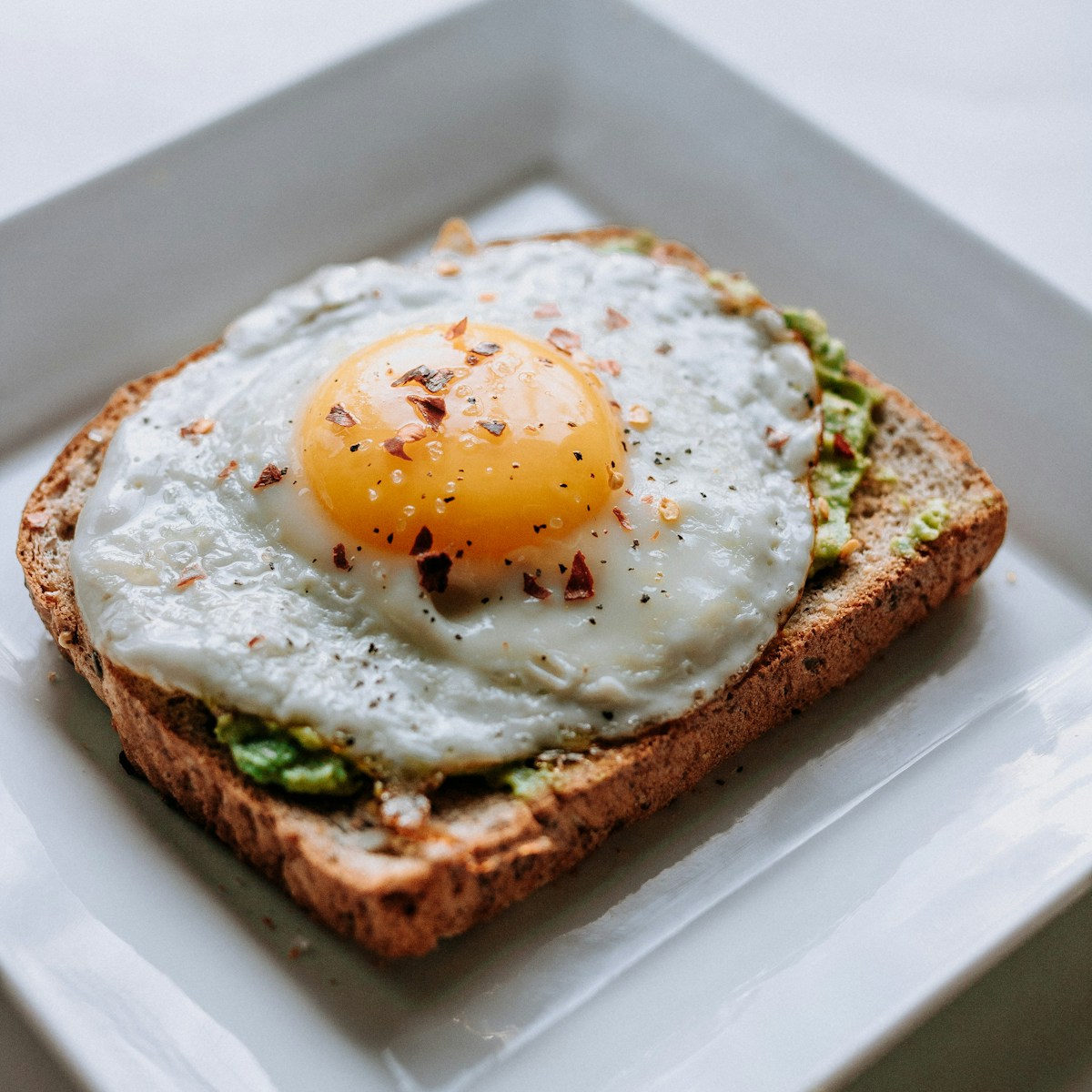
Morning eating is not just a habit. It is backed by physiology. Insulin sensitivity peaks in the morning and declines through the afternoon and evening. That means the carbohydrates and proteins you consume at breakfast go through a more efficient processing cycle than the same nutrients later in the day.

A structured breakfast also prevents the mid-morning crash that leads to overeating at lunch. When you eat quality calories early, you blunt the ghrelin spike that hits around 10 or 11 in the morning for people who skip breakfast. That spike can be sharp on GLP-1 if your last dose was taken hours ago and its effect is tapering.

The payoff in sustained energy until lunch is real. People who front-load their calories report fewer hunger incidents between breakfast and lunch, which reduces the temptation to snack. The key word is quality. A breakfast with protein, fiber, and some fat holds you longer than a bagel or pastry, even on GLP-1.

The meal scanner in PeptPro records macros and breaks down what you are eating in the morning, which helps you identify whether your breakfast is working for you or against you. If you want to see for yourself, the app makes it straightforward to log and review.

Person eating a healthy breakfast

Meal Interval with GLP-1

One of the practical changes people notice on GLP-1 is that they do not need to eat as frequently. The medication naturally extends the window between meals. Most people find that a 4 to 6 hour interval between meals works well with the way GLP-1 smooths out hunger signals.

Signs that your interval is working include stable energy between meals, no sharp hunger spikes around the 3-hour mark, and a natural tendency to feel ready for the next meal rather than forcing yourself to eat. If you are crashing before the 4-hour mark, the previous meal may have lacked enough protein or fiber. If you are still full at 6 hours and pushing toward 7 or 8, you might be overdoing portion sizes at your main meals.

The crash history in PeptPro captures those dips in energy so you can trace them back to specific meals and intervals. That kind of pattern recognition takes the guesswork out of adjusting your schedule. If you want to get started here, logging two weeks of meals will give you enough data to start seeing your personal rhythm.

Escaneie a refeição e registre calorias, proteína e macros em segundos.

Registrar no app

What Happens When You Eat Late at Night

The research on late-night eating is consistent. Insulin sensitivity drops as the day progresses. That means the body stores more of what you eat in the evening as fat compared with the same calories consumed earlier. The effect is amplified when sleep quality is poor, which late-night eating tends to worsen.

A study in Obesity from 2020 found a clear correlation between the timing of the last meal of the day and the difficulty of weight loss. People who finished eating before 8 PM lost more weight than those who ate closer to bedtime, even when total calorie intake was comparable. The mechanism ties back to the circadian behavior of metabolic enzymes and the way insulin efficiency falls at night.

Beyond the metabolic angle, late eating disrupts sleep architecture. Food sitting in the stomach when you lie down creates discomfort, reflux, and lighter sleep. Poor sleep raises cortisol, which works against weight loss. It is a chain reaction that GLP-1 alone cannot interrupt.

PeptPro shows trend charts that include your last-meal time and morning weight, so you can check whether your evening habits are showing up on the scale. You can take a look and compare weeks where you ate earlier versus later.

Injection Time and Impact

The time of day you inject GLP-1 matters more than most people realize. Site rotation is important for avoiding injection site reactions, but it does not change the effectiveness of the medication. Timing, on the other hand, appears to shift how well the medication controls hunger at different parts of the day.

Users who inject in the morning frequently report less afternoon hunger than those who inject in the evening. This aligns with the pharmacokinetics of these medications. When you inject in the morning, the peak effect tends to coincide with your largest meals and highest caloric intake windows. Evening injection can leave you under-protected during the afternoon and early evening when many people face their biggest eating challenges.

If you are not sure which timing works best for your schedule, try logging your hunger levels across the week and comparing them against when your dose was administered. The symptom tracking in PeptPro makes that comparison straightforward. You can download here and start mapping your personal response curve.

How to Use PeptPro to Discover Your Personal Pattern

The best way to understand how meal timing affects you specifically is to collect data. Two weeks of consistent logging gives you enough information to see real patterns.

Start by logging every meal with the time it was consumed. Mark your hunger and energy levels before and after each meal. That simple habit builds a record that reveals which meal times align with your best energy and satiety outcomes. PeptPro lets you add notes to each entry, so you can capture context like stress, sleep quality, or activity level.

Cross-reference your morning weight with the time of your previous night's last meal. Over a week or two, you will likely see whether earlier dinners correlate with lower morning weights or better readings on the scale. The trend charts in PeptPro automate that comparison so you do not have to do the math yourself.

The goal is not perfection. The goal is to identify what actually works for your body under your actual life conditions. Once you have that data, you can make informed adjustments instead of guessing. Start here by logging your first meal tomorrow and watching the pattern emerge over the following weeks.

Aviso: Este conteúdo é apenas informativo e não substitui orientação médica profissional. Consulte sempre seu médico antes de iniciar, alterar ou interromper qualquer tratamento.

32 visualizações
Compartilhar

Neste artigo

Ver todos
Como planejar refeições ricas em proteína e fibra durante o tratamento com GLP-1
Alimentação

Como planejar refeições ricas em proteína e fibra durante o tratamento com GLP-1

Descubra como planejar refeições ricas em proteína e fibra durante o tratamento com GLP-1 para manter saciedade, preservar músculos e minimizar efeitos colaterais.

24 de jul. de 2026 · 6 min de leitura
Alimentação

Qualidade da Dieta e GLP-1: O Que Você Come Importa Tanto Quanto a Dose

Quando se trata de tratamento com peptídeos e GLP-1, a conversa costuma girar em torno da dose, do horário da injeção e dos efeitos colaterais. Mas há

15 de jul. de 2026 · 5 min de leitura
Alimentação

Planejamento de Refeições no Tratamento com GLP-1: Como Organizar a Rotina Alimentar

Quando a fome diminui, a tentação é deixar as refeições acontecerem no escuro. Pular o café da manhã porque não deu fome. Almoçar tarde porque o corpo

15 de jul. de 2026 · 4 min de leitura