How to Protect Your Muscles While Following a Peptide Protocol
Protecting your muscles during a fasting or calorie-restricted protocol is straightforward in theory, but it requires consistency. Here are the practices with the strongest evidence behind them.
Prioritize protein intake every day. Aim for 1.2 to 2.0 grams of protein per kilogram of body weight daily, distributed across your meals. A 70 kilogram person should target roughly 100 to 140 grams of protein per day. Plant-based and animal sources both count, as long as the total adds up.
Time protein around your workouts. Eating 25 to 30 grams of protein within two hours after resistance training maximizes the muscle protein synthetic window. This does not have to be a protein shake. A meal with chicken, fish, eggs, or legumes works just as well.
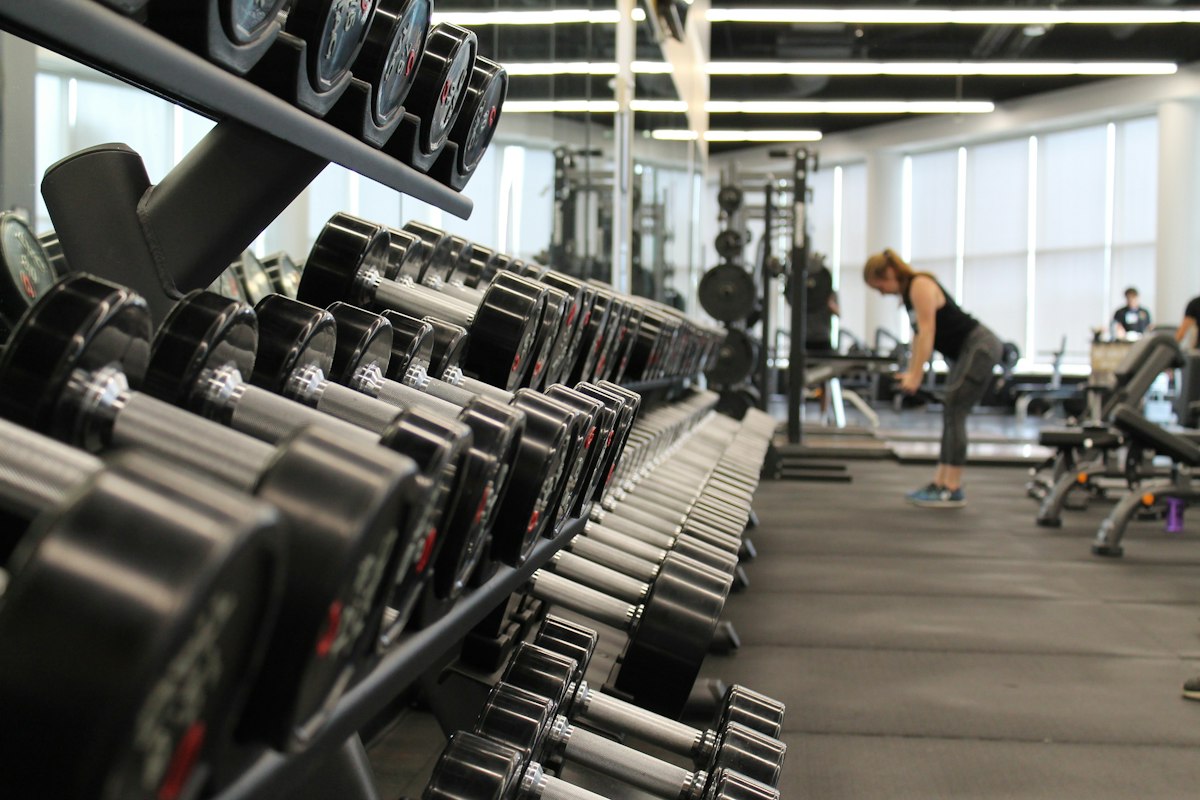
Add resistance training to your routine at least two to three times per week. Physical activity, particularly strength work, provides the mechanical signal your body needs to hold onto muscle tissue. Without that signal, even adequate protein intake may not be enough to prevent breakdown during a deficit.
Consider branch-chain amino acid supplementation if you struggle to hit protein targets through food alone. The International Society of Sports Nutrition notes that BCAAs can support muscle retention in situations where total protein intake falls short. Whole food protein sources remain preferable, but supplements can fill gaps.
Sleep and hydration also play a role in muscle recovery. Poor sleep raises cortisol levels, which interferes with muscle protein synthesis. The PeptPro app tracks your sleep patterns and reminds you to log hydration, so you catch deficiencies before they compound.
Blood work matters during peptide protocols. Regular lab tests help you monitor markers that affect muscle health, and the app lets you attach results to your protocol log for easy tracking over time. Connect Apple Health to pull your activity and hydration data in one place, giving you a fuller picture of whether your body has what it needs to preserve lean tissue.