PeptProblog
InicioSaludEfectos SecundariosAlimentaciónEjercicio y Cuerpo
Descargar App
PeptPro
blog

Contenido basado en evidencia para apoyar a quienes se toman en serio su protocolo de péptidos.

Navegación

  • Inicio
  • Categorías

Categorías

  • Salud
  • Efectos Secundarios
  • Alimentación
  • Ejercicio y Cuerpo
  • Salud Mental
  • Cómo Usar
  • Tratamiento

App PeptPro

Sigue tu protocolo de péptidos directamente desde tu celular.

Descargar en elApp Store
DISPONIBLE ENGoogle Play
© 2026 PeptPro. Todos los derechos reservados.
PrivacidadTérminos de Uso
  1. Inicio
  2. ›Blog
  3. ›Ejercicio y Cuerpo
  4. ›Exercise During GLP-1 Treatment: How to Maximize Your Results
Ejercicio y Cuerpo

Exercise During GLP-1 Treatment: How to Maximize Your Results

18 ago 2026·3 min de lectura·35 visualizaciones·Equipe Editorial PeptPro
Exercise During GLP-1 Treatment: How to Maximize Your Results

Exercise while on GLP-1 therapy preserves muscle, accelerates fat loss, and breaks weight loss plateaus. Here is how to structure your training.

Exercise is not optional during GLP-1 treatment — it is the variable that separates people who lose fat from those who lose muscle. The medication handles appetite reduction, but the body decides what to burn based on whether you challenge your muscles.
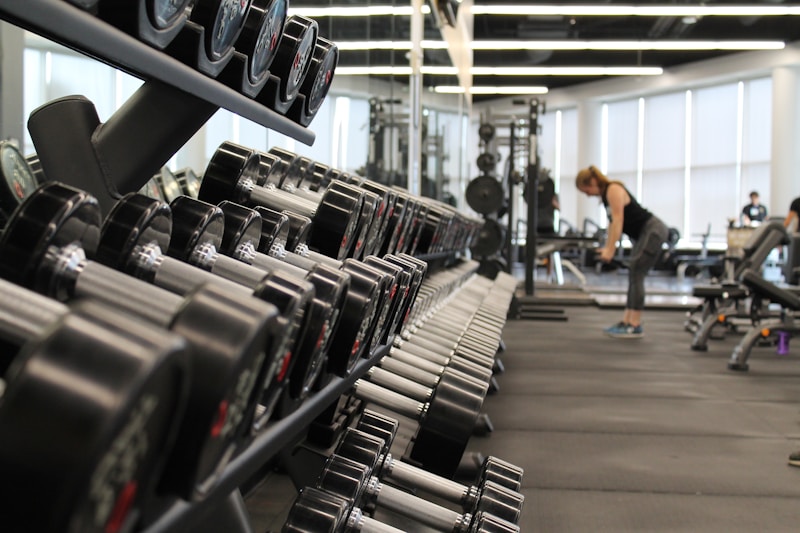
Woman lifting weights in a gym

Why exercise matters more on GLP-1

Without physical activity, weight loss from GLP-1 agonists can include significant muscle loss. Research indicates that up to 25% of weight lost without resistance training may be lean tissue. Less muscle means a slower metabolism, which makes weight regain more likely.

Exercise solves this in two ways. Resistance training signals to the body that muscle is a priority during a caloric deficit. Cardiovascular activity burns extra calories and improves insulin sensitivity, amplifying the medication's effect.

Training when appetite is suppressed

Reduced hunger changes how the body performs during workouts. Many people notice lower performance in high-intensity sessions during the first weeks. This is temporary — the body is adjusting.

Here is what works in practice.

Resistance training: 3 to 4 times per week

Prioritize compound movements — squats, bench press, deadlifts, overhead press. Aim for 2 to 4 sets of 8 to 12 reps with a load that challenges the last two repetitions. The goal is not maximum volume but consistent muscular stimulus throughout the weight loss phase.

Cardiovascular activity: walking is enough

You do not need to run a marathon. Walking 30 to 45 minutes per day produces measurable fat loss. For those just starting, 20 minutes is enough. The key is building the habit before increasing intensity.

Meal timing around workouts

Because hunger is reduced, spacing meals so the body has fuel before training matters more. PeptPro lets you log when you last ate and review whether workout performance correlates with your eating window. Download here to build that history.

What to do at a plateau

Plateaus are common after the first 8 to 12 weeks. At that point, exercise becomes the adjustable variable. Increasing resistance training frequency or intensity often breaks the stall because it raises energy expenditure and signals the body to retain muscle mass.

Hydration is part of training

GLP-1-induced satiety can lead to drinking less water. Dehydration impairs workout performance and recovery between sessions. Track hydration in PeptPro — the app shows whether you are on track. Start here.

If you have never trained before

Start small. A 20-minute walk counts. Progress gradually — 25 minutes, 30, then add bodyweight strength sets. There is no problem entering this rhythm without prior experience. Consistency beats initial intensity every time.

What to track

Keep a simple log: workout type, duration, perceived exertion, and how you felt afterward. Over weeks, this pattern shows what works for your body and helps your clinician understand how your treatment is progressing. PeptPro organizes dose, training, and weight history in one place. Check it out here.


Disponible ahora gratis

Integración con Apple Health

Sincroniza pasos, entrenamientos y datos de actividad directamente desde Apple Health. Obtén una imagen completa de tu movimiento diario junto a tu protocolo.

Descargar en elApp Store
DISPONIBLE ENGoogle Play

Artículos Relacionados

Descargar en elApp Store
DISPONIBLE ENGoogle Play

References

  1. Chu DT, et al. "The Effects of GLP-1 Receptor Agonists on Body Weight and Muscle Mass in Obese Patients." Journal of Clinical Endocrinology & Metabolism, 2023. https://pubmed.ncbi.nlm.nih.gov/37094215/
  2. Jensterle M, et al. "The Role of Resistance Exercise in Patients with Obesity Treated with GLP-1 Receptor Agonists." Obesity Medicine, 2024. https://www.sciencedirect.com/science/article/pii/S2667368724000328
  3. Wilding JPH, et al. "GLP-1 and Energy Balance: Exercise Considerations." Diabetes, Obesity and Metabolism, 2023. https://dompubs.onlinelibrary.wiley.com/doi/10.1111/dom.15123
  4. American College of Sports Medicine. "Exercise Guidelines for Weight Management." ACSM's Health & Fitness Journal, 2024.

Aviso: Este contenido es solo informativo y no sustituye la orientación médica profesional. Consulta siempre a tu médico antes de iniciar, cambiar o interrumpir cualquier tratamiento.

35 visualizações
Compartir

En este artículo

Ver todos
Electrolitos y GLP-1: Por Qué la Hidratación Mineral Es Esencial en el Tratamiento
Ejercicio y Cuerpo

Electrolitos y GLP-1: Por Qué la Hidratación Mineral Es Esencial en el Tratamiento

Descubre por qué mantener los electrolitos en equilibrio es esencial durante el tratamiento con GLP-1.

2 sept 2026 · 7 min de lectura
Sarcopenia y GLP-1: Cómo Proteger Tu Masa Muscular Durante el Tratamiento
Ejercicio y Cuerpo

Sarcopenia y GLP-1: Cómo Proteger Tu Masa Muscular Durante el Tratamiento

Descubre qué es la sarcopenia, por qué quienes usan GLP-1 deben prestar atención a la pérdida muscular y qué puedes hacer para preservar la fuerza y la movilidad.

30 ago 2026 · 4 min de lectura
Ejercicio y Cuerpo

Electrolitos y GLP-1: Por Qué el Sodio, el Potasio y el Magnesio Importan

Los medicamentos GLP-1 hacen que tu cuerpo pierda agua y electrolitos más rápido de lo habitual. Descubre cómo mantener el equilibrio y evitar la fatiga.

29 ago 2026 · 4 min de lectura