PeptProblog
InicioSaludEfectos SecundariosAlimentaciónEjercicio y Cuerpo
Descargar App
PeptPro
blog

Contenido basado en evidencia para apoyar a quienes se toman en serio su protocolo de péptidos.

Navegación

  • Inicio
  • Categorías

Categorías

  • Salud
  • Efectos Secundarios
  • Alimentación
  • Ejercicio y Cuerpo
  • Salud Mental
  • Cómo Usar
  • Tratamiento

App PeptPro

Sigue tu protocolo de péptidos directamente desde tu celular.

Descargar en elApp Store
DISPONIBLE ENGoogle Play
© 2026 PeptPro. Todos los derechos reservados.
PrivacidadTérminos de Uso
  1. Inicio
  2. ›Blog
  3. ›Efectos Secundarios
  4. ›Gastroesophageal Reflux and GLP-1: Side Effects and What to Do
Efectos Secundarios

Gastroesophageal Reflux and GLP-1: Side Effects and What to Do

4 ago 2026·7 min de lectura·51 visualizaciones·Equipe Editorial PeptPro
Gastroesophageal Reflux and GLP-1: Side Effects and What to Do

GLP-1 medications can cause acid reflux. Here is why it happens, how common it is, and what you can do to feel better.

Many people who start GLP-1 medications medications run into an uncomfortable problem. Acid reflux, also known as gastroesophageal reflux, tends to show up in the first weeks of treatment and can be distressing if you are not expecting it. This post explains why it happens, how often it occurs, and what you can do about it.

If you are starting a GLP-1 medication and want to track symptoms as they develop, PeptPro lets you log what you felt and when, so patterns become visible right away. Check the app here.

What Is Gastroesophageal Reflux Disease

GERD, or gastroesophageal reflux disease, is a chronic condition where stomach acid regularly flows back up into the esophagus. The lower esophageal sphincter, a ring of muscle that acts as a one-way valve between the stomach and esophagus, fails to close properly. Acid then irritates the esophageal lining, causing the characteristic burning sensation known as heartburn.

Heartburn feels like a burning pain in the chest that may spread to the throat. Acid regurgitation is another hallmark symptom, where sour or bitter liquid comes back up into the mouth or throat. When these symptoms occur two or more times per week, doctors typically diagnose GERD rather than occasional acid reflux.

Several factors increase the likelihood of developing GERD. Excess body weight puts pressure on the stomach. Pregnancy does the same. Smoking weakens the lower esophageal sphincter. A hiatal hernia, where part of the stomach pushes up through the diaphragm, is another known risk factor.

If left untreated, GERD can damage the esophageal lining. Inflammation (esophagitis), erosive wear, and Barrett's esophagus, a condition where the lining changes and carries a risk of esophageal cancer, are all documented complications of long-standing reflux.

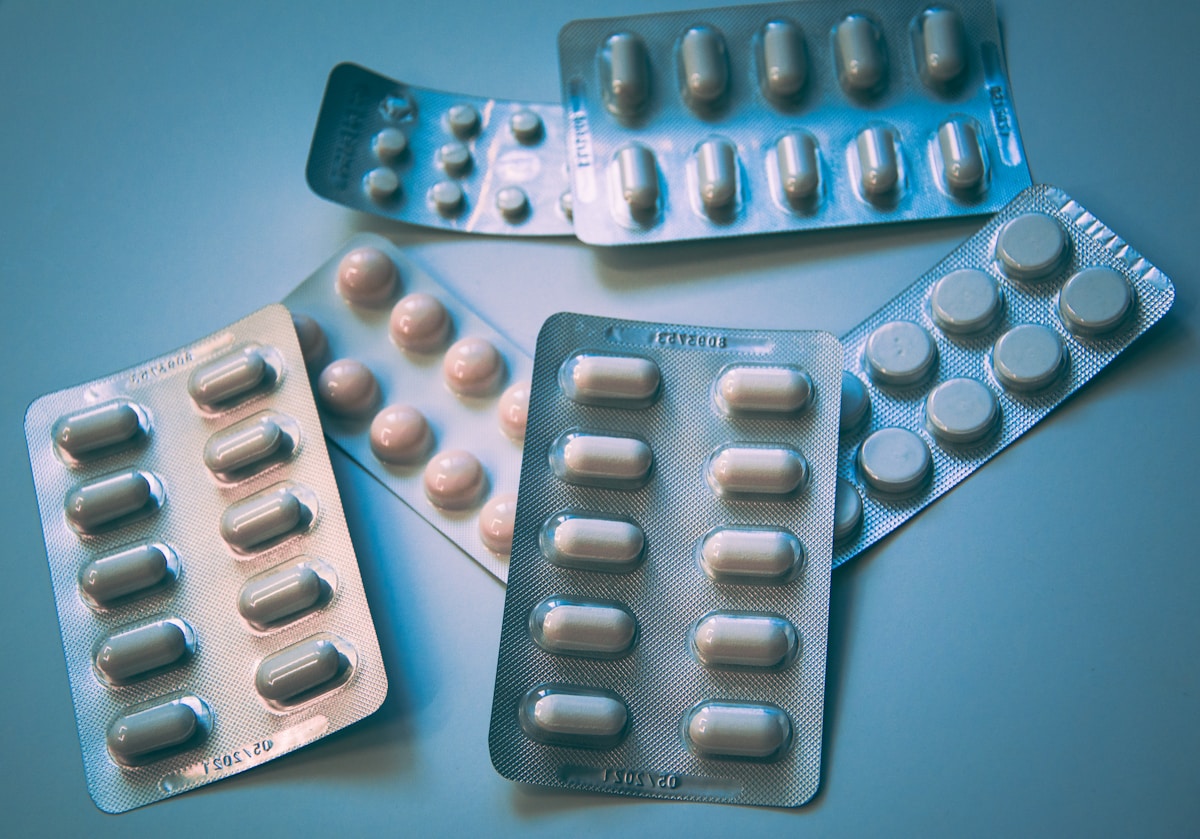
Stomach acid reflux medical concept

Registra síntomas con intensidad y vincúlalos a cada dosis para ver patrones.

Registrar en la app
Disponible ahora gratis

Seguimiento de Efectos Secundarios

Registra síntomas con niveles de intensidad, vincúlalos a dosis específicas e identifica patrones a lo largo del tiempo en todo tu protocolo.

Descargar en elApp Store
DISPONIBLE ENGoogle Play

Artículos Relacionados

Descargar en elApp Store
DISPONIBLE ENGoogle Play

Why GLP-1 Medications Cause Reflux

GLP-1 receptor agonists like semaglutide and liraglutide work partly by slowing gastric emptying. Food stays in the stomach longer than usual. This delayed emptying is a deliberate part of how the drug produces satiety, but it has consequences for the digestive system.

When food sits in the stomach for extended periods, pressure builds up. That increased pressure can push stomach contents back up through the lower esophageal sphincter. Some research also suggests that GLP-1 medications may directly relax this sphincter muscle, making reflux more likely.

Gastrointestinal side effects are among the most commonly reported with these drugs. Nausea affects roughly 40 percent of patients in clinical trials. Vomiting occurs in about 15 to 20 percent. Acid reflux and heartburn are frequent companions, particularly in the early weeks of treatment when the body is still adjusting to the medication.

The risk appears dose-dependent. Higher doses of semaglutide correlate with more frequent and more intense gastrointestinal symptoms. Patients who escalate doses quickly are more likely to experience reflux compared to those who follow a gradual titration schedule.

Reflux Symptoms with GLP-1 medications and Similar Drugs

The symptoms of GLP-1-related reflux are the same as regular GERD symptoms, but they may appear or worsen shortly after starting treatment.

Heartburn that persists or gets worse after you begin a GLP-1 medication is the most obvious sign. If you already had reflux, you might notice it becoming harder to control with your usual strategies.

Regurgitation of food or acidic liquid happens when stomach contents come back up. This can occur after meals or even without eating anything. Many patients describe a sour or bitter taste lingering in their mouth.

A dry cough, particularly at night, is another common complaint. This happens because acid irritating the esophagus triggers a reflex cough. Hoarseness may follow if the reflux reaches the throat and irritates the vocal cords.

In more severe cases, patients report difficulty swallowing. This is a symptom that should always prompt a conversation with your doctor, as it can indicate inflammation or narrowing of the esophagus.

Data and Statistics on Reflux and GLP-1

Understanding how common these symptoms are helps set realistic expectations.

Clinical trials for semaglutide report that 20 to 30 percent of participants experienced acid reflux as a side effect. Nausea, while more prevalent at roughly 40 percent, tends to grab more attention in public discussion. Vomiting affects 15 to 20 percent of users.

The profile is similar across brand names because many of these products share the same active ingredient. Ozempic and Wegovy both contain semaglutide. Mounjaro contains tirzepatide, a dual GIP and GLP-1 agonist, and reports similar gastrointestinal effects.

Reflux symptoms are most common in the first 4 to 8 weeks of treatment. As the body adapts, many patients find that symptoms gradually decrease. A significant number report improvement by week 12. That said, a subset of patients continues to experience symptoms throughout treatment and may need intervention.

Higher doses consistently produce more side effects. Patients on 2.4 mg of semaglutide (the Wegovy weight loss dose) report more reflux than those on 0.5 or 1 mg doses.

Registra síntomas con intensidad y vincúlalos a cada dosis para ver patrones.

Registrar en la app

How to Relieve Reflux During GLP-1 Treatment

Most of the strategies for managing reflux with GLP-1 medications are the same as general GERD management, with a few specific adjustments.

Avoid eating 2 to 3 hours before lying down. This gives your stomach time to empty before you put yourself in a position where gravity can work against you.

Eat smaller meals more frequently. Large meals distend the stomach and increase pressure on the lower esophageal sphincter. Smaller portions reduce that pressure.

Identify and avoid trigger foods. Coffee, chocolate, fatty or fried foods, spicy dishes, and carbonated beverages are common culprits. Alcohol also relaxes the sphincter and should be limited.

Do not lie down immediately after eating. Stay upright for at least an hour. Some patients find it helpful to take a light walk after meals.

Elevate the head of your bed. Using a wedge pillow or placing blocks under the bed posts raises your upper body while you sleep. This uses gravity to keep acid in the stomach overnight.

Time your GLP-1 injection wisely. Many patients who experience nighttime reflux find that taking their injection in the morning rather than evening helps. You can experiment with timing to see what works best for your schedule and symptoms.

Over-the-counter antacids can provide relief. Products containing calcium carbonate work quickly. Aluminum hydroxide options are gentler on the stomach with longer-lasting effects. H2 blockers like famotidine reduce acid production and can be more effective for ongoing symptoms.

With PeptPro you log what you felt and when, so you walk into your appointment with everything organized. Patterns in your reflux symptoms and what triggered them become clear over time.

When to Seek Medical Help

Most reflux related to GLP-1 medications is manageable with the strategies above. However, certain symptoms deserve prompt medical attention.

Heartburn that does not improve despite over-the-counter treatment needs evaluation. Your doctor may recommend prescription medication or further investigation.

Difficulty swallowing, known as dysphagia, is never something to ignore. It can indicate inflammation, scarring, or other changes in the esophagus that require imaging or endoscopy.

Unintentional weight loss alongside reflux symptoms is a red flag. It can mean you are eating less due to pain or fear of eating, or it can point to something more serious.

Vomiting blood or material that looks like coffee grounds requires immediate medical evaluation. The same applies to severe chest pain, which must be differentiated from cardiac causes before assuming it is reflux.

Signs of esophagitis or Barrett's esophagus, such as persistent pain, bleeding, or detected abnormalities on endoscopy, need treatment. Barrett's carries a risk of esophageal cancer and warrants monitoring.

If symptoms are significantly affecting your quality of life, ask your doctor about adjusting the dose or switching medications. Some patients tolerate tirzepatide better than semaglutide, or vice versa. Individual variation is real, and finding the right drug for your system sometimes requires a conversation.

PeptPro helps you see patterns in symptoms over time. Rather than trying to remember whether your reflux was better or worse last week, you can show your doctor a clear log of when symptoms occurred, what you ate, and when you took your medication. See for yourself here.

References

  • EMA — Mounjaro (tirzepatida), EPAR
  • Jastreboff et al., SURMOUNT-1 — NEJM (2022)
  • OMS — Obesity and overweight, fact sheet

Aviso: Este contenido es solo informativo y no sustituye la orientación médica profesional. Consulta siempre a tu médico antes de iniciar, cambiar o interrumpir cualquier tratamiento.

51 visualizações
Compartir

En este artículo

Ver todos
Efectos Secundarios

Estreñimiento con GLP-1: Por Qué Ocurre y Lo Que Realmente Funciona

El estreñimiento es común con GLP-1. Entiende por qué ocurre y lo que realmente funciona para aliviar este síntoma.

1 sept 2026 · 4 min de lectura
Reflujo Ácido y GLP-1: Por Qué Ocurre y Qué Hacer
Efectos Secundarios

Reflujo Ácido y GLP-1: Por Qué Ocurre y Qué Hacer

El reflujo ácido puede empeorar con el uso de GLP-1. Descubre por qué sucede y qué medidas ayudan realmente.

31 ago 2026 · 3 min de lectura
Náusea y Vómito con GLP-1: Qué Esperar y Cómo Manejar
Efectos Secundarios

Náusea y Vómito con GLP-1: Qué Esperar y Cómo Manejar

La náusea es el efecto secundario más común de los agonistas de GLP-1. Te contamos qué la causa, cuándo consultar al médico y qué medidas ayudan.

26 ago 2026 · 4 min de lectura