PeptProblog
InicioSaludEfectos SecundariosAlimentaciónEjercicio y Cuerpo
Descargar App
PeptPro
blog

Contenido basado en evidencia para apoyar a quienes se toman en serio su protocolo de péptidos.

Navegación

  • Inicio
  • Categorías

Categorías

  • Salud
  • Efectos Secundarios
  • Alimentación
  • Ejercicio y Cuerpo
  • Salud Mental
  • Cómo Usar
  • Tratamiento

App PeptPro

Sigue tu protocolo de péptidos directamente desde tu celular.

Descargar en elApp Store
DISPONIBLE ENGoogle Play
© 2026 PeptPro. Todos los derechos reservados.
PrivacidadTérminos de Uso
  1. Inicio
  2. ›Blog
  3. ›Alimentación
  4. ›Meal Planning with GLP-1: How to Build Plates That Maximize Treatment Effects
Alimentación

Meal Planning with GLP-1: How to Build Plates That Maximize Treatment Effects

2 sept 2026·12 min de lectura·35 visualizaciones·Equipe Editorial PeptPro
Meal Planning with GLP-1: How to Build Plates That Maximize Treatment Effects

Learn to plan meals that maximize the effect of GLP-1.

When you start GLP-1 treatment, your relationship with food changes in ways that make old habits feel ineffective. The medication slows gastric emptying, which means hunger arrives on a different schedule and satiety sticks around longer. You can either fight that rhythm or build meals that work with it. Planning ahead removes the guesswork and keeps your eating aligned with what the medication does best.

If you track what you eat alongside your doses, patterns start to show up clearly. The PeptPro app gives you that visibility. You can download it here and start logging meals with the Meal Scanner to see how your plates actually look against your targets.

How GLP-1 Changes the Relationship with Food

GLP-1 receptor agonists affect appetite regulation in ways that go beyond simple hunger suppression. The medication acts on receptors in the brain that control satiety, and it delays the time your stomach empties after eating. That physiological shift means the way you used to time meals probably will not fit anymore.

Gastric Delay and Meal Timing

Your stomach takes longer to move food into the small intestine when you are on semaglutide or similar GLP-1 medications. That delay changes when you feel hungry after a meal and how long that feeling of fullness lasts. If you eat a large breakfast and then sit through meetings, the delayed fullness might make you forget to eat lunch at your usual time. Or you might feel full for hours and then realize you barely hit your protein target for the day.

Eating at consistent times each day helps your body regulate those signals better. Spreading protein evenly across meals rather than front-loading or back-loading calories tends to produce steadier energy and better muscle preservation throughout treatment.

Prolonged Satiety: Eating Less Without Conscious Effort

Many people report that they naturally eat less without feeling deprived. That sounds ideal, but it can also mean you unintentionally skip meals or drop too many calories in a single day. When satiety stretches across four or five hours, it is easy to let a meal slip by without replacing it with anything substantial. Over time, that creates calorie deficits that go beyond what the treatment plan calls for.

The goal is not to eat less for the sake of it. It is to eat the right things at times that support the medication and keep your body functioning well.

Why "Eat When Hungry" Does Not Always Work in This Context

Hunger on GLP-1 does not always arrive when your body needs nutrients. Sometimes you feel hungry but have not eaten enough protein. Sometimes you feel full but have not consumed enough fluids or fiber. Relying solely on hunger signals while on this treatment can lead to imbalanced eating patterns that affect your energy, your muscle mass, or your blood sugar stability.

A structured plan gives you a framework that works even when hunger signals are muted or delayed.

Disponible ahora gratis

Escáner de Comidas

Escanea cualquier comida con la cámara para registrar automáticamente calorías, proteínas y macros. Reconocimiento con IA — sin entrada manual. Apunta, escanea, sigue adelante.

Descargar en elApp Store
DISPONIBLE ENGoogle Play

Artículos Relacionados

Descargar en elApp Store
DISPONIBLE ENGoogle Play

Escanea tu comida y registra calorías, proteína y macros en segundos.

Registrar en la app

Why Meal Planning Matters

Willpower does not hold up well against chronic caloric restriction. When you cut calories without building a plan around them, the brain eventually pushes back against that deprivation. You start making impulsive food choices late in the day when energy is low and decision fatigue has set in.

Impulsive Decisions Are More Common with Caloric Restriction

Studies on eating behavior consistently show that restricted eating leads to more reactive, impulsive food choices. When you skip a meal intentionally or accidentally, you are more likely to grab whatever is available later, even if it does not match your nutritional goals. A handful of crackers, a sweetened drink, or a takeout order can undo a day of careful choices in minutes.

Planning Reduces the Chance of Skipping Meals and Then Compensating

If you know what you are eating at noon and at six, you remove the decision point that typically leads to skipping. You also reduce the risk of overeating later to make up for a missed meal. Planned meals tend to be more balanced because you chose them when you were thinking clearly, not when hunger or fatigue was running the show.

Structuring: Creating a Predictable Eating Routine

Three main meals with one or two small snacks if needed tends to work well for people on GLP-1. Spacing those meals roughly four to five hours apart respects the delayed gastric emptying while keeping blood sugar more stable than grazing all day long.

Your body adapts better to a routine. When meals happen at roughly the same times each day, the digestive system operates more predictably and the medication has a more consistent environment to work in.

Ideal Macronutrient Composition

The proportion of protein, carbs, and fat on your plate matters more than the total calorie count alone. With GLP-1, prioritizing protein and fiber produces better outcomes than focusing on carbohydrates alone.

Protein First: 30-40% of Calories

Aim for protein to make up at least 30 percent of your total daily calories, and target up to 40 percent if your activity level supports it. That translates roughly to 1.2 to 1.6 grams of protein per kilogram of body weight, though individual needs vary. Spreading that across your meals rather than eating most of it at dinner gives your body a steadier supply of amino acids throughout the day.

Why Protein Is Essential for Preserving Lean Mass

When you lose weight on GLP-1, part of that loss can come from muscle if you do not actively protect it. Muscle tissue is metabolically active, and losing it slows your metabolism further, which makes continued weight loss harder. Protein provides the amino acids your body needs to maintain muscle while you are in a calorie deficit.

Older adults and people who are not strength training regularly need to pay particular attention to this. The combination of reduced calorie intake and reduced physical activity that sometimes follows weight loss makes muscle preservation a real concern.

Fiber: Target 25-35g Per Day and Why It Matters with GLP-1

Fiber slows digestion, helps control blood sugar spikes after meals, and supports gut health. It also adds bulk to your meals, which can help with the feeling of fullness when portion sizes shrink. Most people on a Western diet fall short of the recommended 25 to 35 grams per day. Adding vegetables, legumes, whole grains, and seeds closes that gap.

Fiber works best when you increase it gradually. A sudden jump from 15 to 35 grams in a day will cause bloating and gas that makes the experience unpleasant enough that you stop trying. Increase by about five grams per week until you hit your target.

Healthy Fat: Do Not Eliminate, Choose Wisely

Fat slows gastric emptying even further, which with GLP-1 can either help or hurt depending on your goals. Some fat at meals can extend satiety, which is useful if you struggle with between-meal hunger. However, very high fat meals can exacerbate gastrointestinal side effects that some people experience on these medications.

Focus on unsaturated fats from sources like olive oil, avocados, nuts, and fatty fish. Limit saturated fat from processed meats, full-fat dairy, and fried foods where you can.
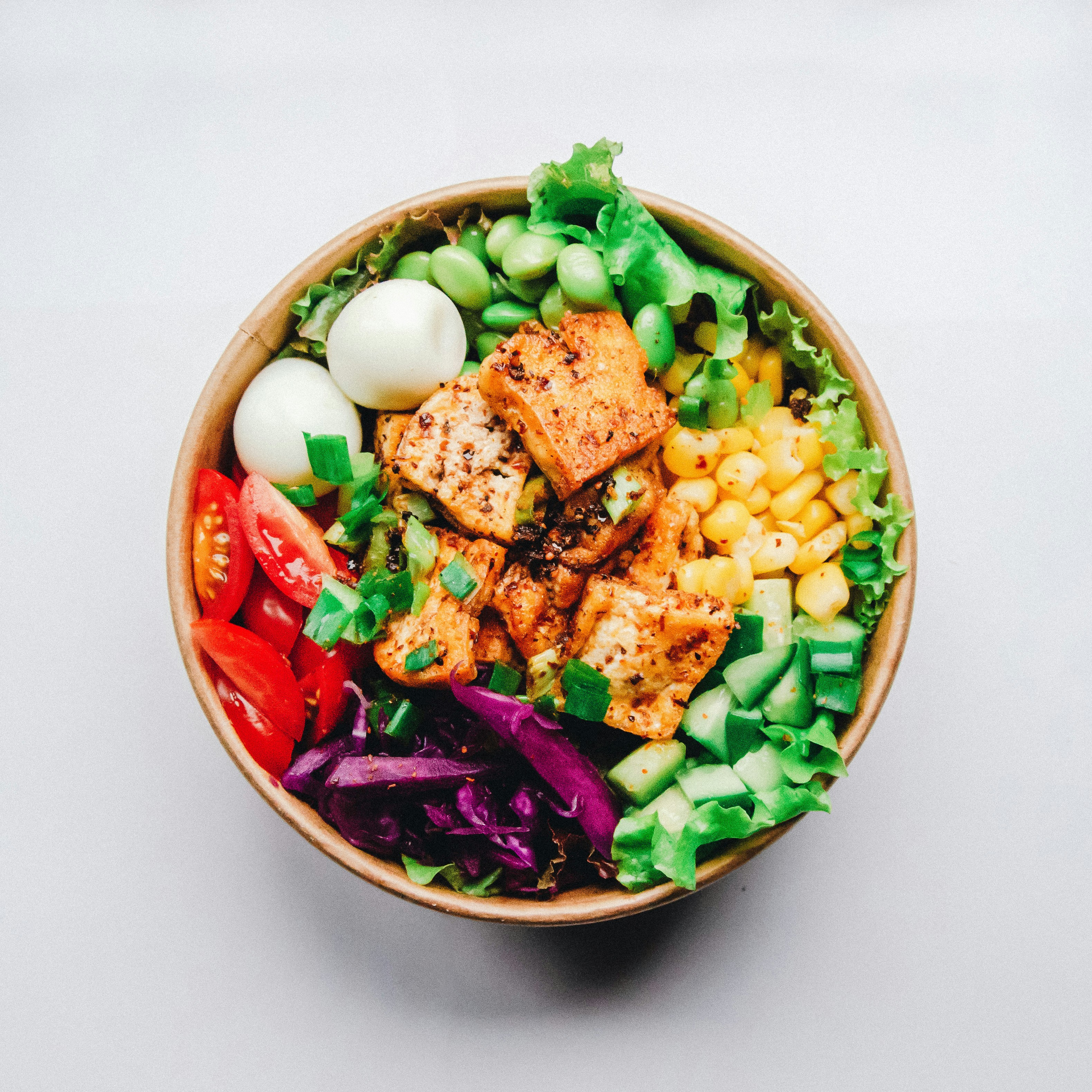
Healthy balanced plate with protein, vegetables and whole grains

Meal Timing in the GLP-1 Context

The day you take your weekly dose may feel different from other days. Some people notice reduced appetite on injection day, while others feel hungrier the day after as the dose peaks.

How Many Meals Per Day: 3 Main or Small and Frequent

Three main meals without snacking works for most people on GLP-1. The extended satiety from the medication reduces the need for between-meal eating. If you feel the need to eat something between meals, keep it small and protein-focused, like a handful of nuts or a Greek yogurt.

Eating Window and Compatibility with the Medication

The medication does not require you to change your eating window, but if you are someone who prefers to eat within a restricted timeframe, it is worth noting that the medication makes longer fasts more manageable. You can try a consistent eight to ten hour eating window, but listen to your body and adjust based on how you feel on different days of your dose cycle.

What to Do When the Weekly Dose Causes Less Hunger on the Day

If your dose day brings a sharp drop in appetite, do not force yourself to eat a full meal if it does not feel right. Instead, focus on getting protein and fluids in when you can. A protein shake, some Greek yogurt, or a small portion of chicken can cover your protein needs without overloading your system. The next day, when appetite returns, you can return to your normal meal schedule.

Keeping a log of how you feel on dose day versus other days helps you anticipate and plan for those differences. The PeptPro app stores your meal and dose history so you can look back and see which days your protein intake fell short.

High Biological Value Proteins: Where to Find Them

Not all protein sources are equal in terms of the amino acids they provide. Complete proteins contain all nine essential amino acids in proportions that match human requirements. Animal sources tend to be complete, while many plant sources lack one or more essential amino acids.

Eggs, Fish, Chicken, Legumes

Eggs rate highly on the digestibility score and provide all essential amino acids. Fish offers protein along with omega-3 fatty acids that support heart health, which matters when you are losing weight. Chicken breast is a lean source of protein that fits easily into most meal plans. Legumes combine protein with fiber, though they are not complete proteins on their own. Pairing legumes with grains or dairy completes the amino acid profile.

How to Use the PeptPro Meal Scanner to Check Macros

The Meal Scanner in the PeptPro app lets you photograph what you eat and see the macro breakdown instantly. You can check whether your plate has enough protein, whether the fat content is appropriate, and whether fiber is present. That immediate feedback makes it easier to adjust your next meal rather than waiting until the end of the day to realize you under-ate protein.

Escanea tu comida y registra calorías, proteína y macros en segundos.

Registrar en la app

The Role of Fiber in Treatment Success

Fiber does more than keep you regular. It affects how your body absorbs sugar, how full you feel after meals, and how stable your energy stays throughout the day.

Fiber and Blood Sugar Control

Soluble fiber forms a gel in your gut that slows the absorption of carbohydrates. That means your blood sugar rises more gradually after meals rather than spiking and then dropping. For people managing weight with GLP-1, steadier blood sugar reduces cravings and supports the appetite-suppressing effects of the medication.

How to Increase Gradually to Avoid Intestinal Discomfort

If you are currently eating far below 25 grams of fiber per day, add fiber slowly. Increase by five grams per week and drink plenty of water as you do. Fiber without adequate fluid can cause constipation, which is already a concern for some people on GLP-1 medications.

Common Mistakes in Meal Planning with GLP-1

Some patterns show up repeatedly in people who struggle to get results from their meal plans while on this treatment.

Skipping Protein and Eating Only Carbohydrates

Carbohydrates are easy to prepare and taste good, but they do not preserve muscle. If your meals center on bread, rice, pasta, and fruit without enough protein, you will lose weight that includes muscle tissue. A plate that looks balanced on a food pyramid might still fall short on protein when you actually measure it.

Not Drinking Enough Water with Fiber

Fiber needs water to do its job. When you increase fiber intake without matching it with fluid consumption, constipation follows. Aim for at least eight glasses of water daily, more if you are active or live in a hot climate.

Following Too-Restrictive Plans That Cause Muscle Loss

Very low calorie diets cause more than fat loss. They accelerate muscle loss, especially when protein intake is insufficient. If you are eating below 1200 calories per day without medical supervision, the risk of muscle loss and nutrient deficiencies goes up significantly.

How PeptPro Organizes Your Eating

Managing macronutrients across multiple meals per day is easier when everything lives in one place. PeptPro gives you a centralized view of what you ate, when you took your dose, and how your body responded over time.

The Meal Scanner handles the logging work. You photograph your plate and the app shows you the macro breakdown. Over time, you start recognizing which meals hit your targets and which ones consistently fall short on protein or fiber.

Your meal and dose history lives in one feed. You can scroll back and see how your eating changed on days when you felt more hungry or less hungry than usual. That information makes it easier to adjust your meal plan proactively instead of reacting after the fact.

PeptPro also sends alerts when a logged meal fell below your protein target. If you skip a meal or eat something light, you get a notification reminding you to close that gap later in the day. That kind of nudge keeps most people closer to their targets than relying on memory alone.

The app ties everything together, dose, meals, symptoms, and weight, so you have a complete record to bring to your next appointment. Get started here and see how much easier it is to eat with a plan rather than guessing your way through the day.

References

NHS Semaglutide: How to Use

NHS Overweight and Obesity

Semaglutide Injection MedlinePlus

Semaglutide: Uses, Dosage, Side Effects Drugs.com

Electrolytes: Definition, Functions, Sources Healthline

Aviso: Este contenido es solo informativo y no sustituye la orientación médica profesional. Consulta siempre a tu médico antes de iniciar, cambiar o interrumpir cualquier tratamiento.

35 visualizações
Compartir

En este artículo

Ver todos
Planificación de Comidas con GLP-1: Cómo Armar Platos que Maximizan el Efecto del Tratamiento
Alimentación

Planificación de Comidas con GLP-1: Cómo Armar Platos que Maximizan el Efecto del Tratamiento

Aprende a planificar comidas que maximizan el efecto del GLP-1.

2 sept 2026 · 10 min de lectura
Alimentación

Proteína en la Dieta con GLP-1: Cuánta Necesitas y Por Qué Importa

Cuando el GLP-1 reduce tu apetito, cada gramo de proteína cuenta más. Descubre cómo asegurar que tus músculos reciben lo que necesitan mientras pierdes peso.

29 ago 2026 · 4 min de lectura
Horario de Comidas con GLP-1: Qué Comer y Cuándo Para Mejores Resultados
Alimentación

Horario de Comidas con GLP-1: Qué Comer y Cuándo Para Mejores Resultados

Cómo el horario de las comidas afecta los resultados del tratamiento con GLP-1 y péptidos. Qué comer, cuándo comer y qué evitar cerca de la inyección.

26 ago 2026 · 4 min de lectura