PeptProblog
InícioSaúdeEfeitos ColateraisAlimentaçãoExercício e Corpo
Baixar App
PeptPro
blog

Conteúdo baseado em evidências para apoiar quem leva o protocolo de peptídeos a sério.

Navegação

  • Início
  • Categorias

Categorias

  • Saúde
  • Efeitos Colaterais
  • Alimentação
  • Exercício e Corpo
  • Saúde Mental
  • Como Usar
  • Tratamento

App PeptPro

Acompanhe seu protocolo de peptídeos diretamente no celular.

Baixar naApp Store
DISPONÍVEL NOGoogle Play
© 2026 PeptPro. Todos os direitos reservados.
PrivacidadeTermos de Uso
  1. Início
  2. ›Blog
  3. ›Exercício e Corpo
  4. ›Electrolytes and GLP-1: Why Mineral Hydration Is Essential During Treatment
Exercício e Corpo

Electrolytes and GLP-1: Why Mineral Hydration Is Essential During Treatment

2 de set. de 2026·7 min de leitura·41 visualizações·Equipe Editorial PeptPro
Electrolytes and GLP-1: Why Mineral Hydration Is Essential During Treatment

Find out why keeping electrolytes balanced is essential during GLP-1 treatment.

When appetite drops sharply and food intake falls during GLP-1 treatment, something else often slides under the radar: mineral balance. Electrolytes govern muscle contraction, nerve signals, and fluid balance. When they shift, symptoms show up in ways that feel like side effects but point to something simpler. A cramp in the middle of the night, a headache that lingers after drinking water, brain fog that makes a workday harder than it needs to be. This post explains what happens, what to watch for, and how to stay ahead of it.

If you want a place to log symptoms and spot patterns over time, download PeptPro here.
What Are Electrolytes and Why Does the Body Need Them

Electrolytes are minerals that carry an electric charge. The body uses them to regulate nerve and muscle function, balance pH levels, and keep water distributed properly between cells and the bloodstream. The main ones are sodium, potassium, calcium, magnesium, and chloride.

Sodium helps maintain fluid volume and blood pressure. Potassium works alongside it to support muscle contractions and keep heart rhythm steady. Calcium plays a role in muscle movement and bone health. Magnesium assists with hundreds of enzyme reactions and helps muscles relax after contracting. Chloride teams up with sodium in digestive fluids and helps maintain the body's acid-base balance.

When any of these drops too low, the body lets you know. Cramps appear. Fatigue sets in. Thinking gets fuzzy. For someone on GLP-1, these shifts can happen faster than expected because eating less means fewer minerals coming in.

Registre seu peso e sincronize passos e treinos com o Apple Health.

Registrar no app
Disponível agora gratuitamente

Integração com Apple Health

Sincronize passos, treinos e dados de atividade diretamente do Apple Health. Tenha uma visão completa dos seus movimentos diários ao lado do seu protocolo.

Baixar naApp Store
DISPONÍVEL NOGoogle Play

Artigos Relacionados

Baixar naApp Store
DISPONÍVEL NOGoogle Play

How GLP-1 Affects Hydration and Electrolytes

GLP-1 agonists slow gastric emptying. Food sits in the stomach longer, which means appetite stays suppressed and thirst signals can feel muted. Many people on these medications report drinking less fluid without even noticing.

Nausea and vomiting are common, especially in the early weeks. When the stomach rejects food and fluids, mineral losses add up quickly. Diarrhea can also occur in some cases, further flushing electrolytes out of the body before they have a chance to be absorbed.

The delayed gastric emptying also affects how quickly the body registers thirst. You might not feel like reaching for water even when you genuinely need it. Between reduced intake and active losses from gastrointestinal symptoms, mineral depletion can creep up fast.

This is where symptoms get mistaken for medication side effects. The fatigue and dizziness feel like the drug itself, but the real culprit is often mineral imbalance.

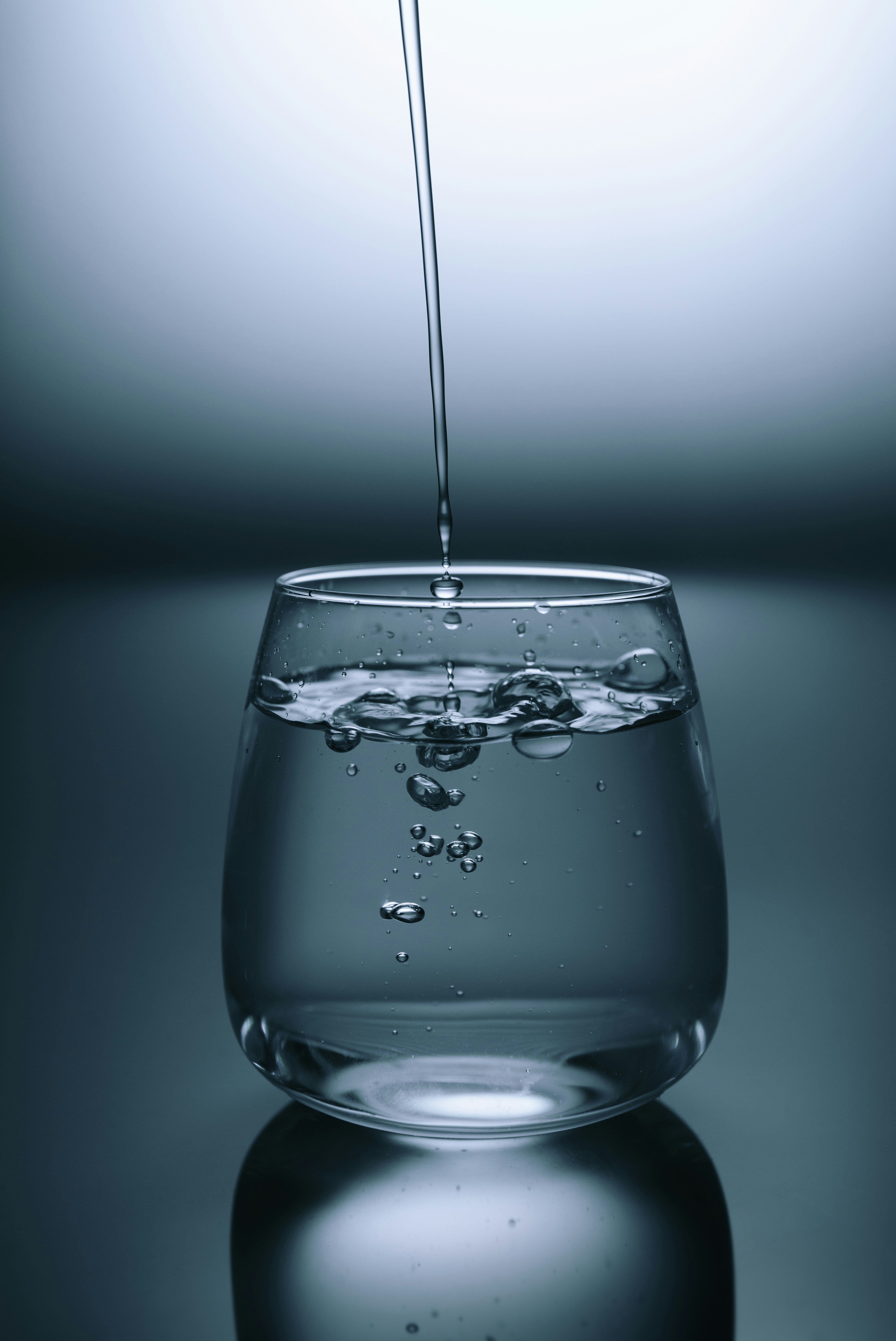
Glass of electrolyte water with minerals

Signs You Have an Electrolyte Deficit

Muscle cramps rank among the most common and recognizable signs. Low magnesium is a frequent trigger. You might get a sharp charley horse in bed or a cramp that lingers after a walk. These tend to show up in the calves, feet, and hands.

Fatigue that feels out of proportion to your activity level is another clue. If you slept well but still feel drained, minerals may not be reaching your muscles and nerves efficiently.

Dizziness upon standing happens when blood pressure drops due to insufficient sodium and fluid volume. Headaches follow a similar mechanism. Both can be mistaken for general tiredness or stress.

Brain fog and difficulty concentrating stem from disrupted nerve conduction. Sodium and potassium imbalances affect how neurons fire, making it harder to focus or recall simple things during the day.

These symptoms often overlap with general GLP-1 side effects, which is why tracking them matters. PeptPro lets you log symptoms with timestamps and intensity so patterns become visible over time.

Sodium: The Most Neglected During Treatment

Sodium gets overlooked in health conversations because excess is usually the problem. During GLP-1 treatment, the opposite issue surfaces. People eat less overall, which means sodium intake drops. Add gastrointestinal losses from nausea or diarrhea, and the body can slip into a deficit without obvious warning.

A reasonable sodium target during treatment sits around 2,300 milligrams daily, similar to general recommendations, but adjusting upward may be necessary if symptoms like dizziness or muscle cramps appear. The key is getting it from food sources rather than heavy supplementation unless a doctor directs otherwise.

Sea salt added to meals is one straightforward option. Some processed foods contain meaningful sodium levels, but relying on them regularly creates other problems. The goal is targeted, moderate use rather than constant addition to every dish.

If you notice symptoms worsening after eating very little, sodium intake deserves attention. PeptPro can help you track what you ate and when symptoms appeared, making it easier to connect the dots.

Potassium and Magnesium: Partners in Muscle Function

Potassium and magnesium work together in ways that make separating their effects difficult. Potassium drives muscle contraction. Magnesium allows muscles to relax afterward. Without enough of both, cramps become more likely and recovery slows.

Food sources are the safest route. Avocados provide potassium alongside healthy fats that fit well into a reduced-calorie eating plan. Bananas are portable and easy to add to breakfast or snacks. Spinach delivers magnesium and can go into salads, smoothies, or cooked dishes without much effort.

Supplementation becomes relevant when food intake stays consistently low or blood tests confirm a deficiency. Magnesium glycinate and potassium citrate are common forms, but starting supplements without lab confirmation risks overshooting, especially for potassium. A doctor can check levels and recommend appropriate doses based on individual results.

Registre seu peso e sincronize passos e treinos com o Apple Health.

Registrar no app

When Supplementation Is Indicated

Blood tests offer the clearest picture. A basic metabolic panel shows sodium, potassium, and chloride levels. Magnesium and calcium often require separate panels. Doctors may run these if symptoms persist or if someone has had prolonged nausea, vomiting, or diarrhea during treatment.

Supplements differ from food in how quickly they act and how the body processes them. Food-derived minerals come packaged with other nutrients that aid absorption. Supplements deliver concentrated doses that can work faster but also carry a higher risk of imbalance if used carelessly.

For someone experiencing recurrent cramps, fatigue, or dizziness, lab work clarifies whether low minerals are the cause and which ones need support. Results guide decisions about whether to adjust diet, add supplements, or simply pay closer attention to hydration and intake.

PeptPro integrates with Apple Health to surface relevant data from blood tests if your provider uploads results there. Over time, the app builds a record that helps you and your doctor see how mineral levels and symptoms evolve.

How PeptPro Helps With Tracking

Daily hydration logging in PeptPro lets you record water and electrolyte intake alongside meals and symptoms. The app connects the dots between what you consumed and how you felt hours later, which matters because electrolyte effects often show up with a delay.

Apple Health integration allows the app to pull in lab results and track electrolytes via blood work over time. This gives you a longer view rather than relying on how you feel on any single day.

Cramp alerts can be set to record the time, location in the body, and intensity whenever a cramp happens. Over weeks and months, the log reveals patterns. If cramps tend to follow days with low food intake or specific meals, that information becomes actionable.

If you want a clearer picture of how your body responds to treatment and what you can do to feel better day to day, get started with PeptPro here.

References

  1. Electrolytes: Definition, Functions, Sources, and Imbalance — Healthline
  2. Semaglutide Injection — MedlinePlus
  3. NHS Semaglutide: How to Use — NHS UK
  4. Semaglutide: Uses, Dosage, Side Effects — Drugs.com
  5. NHS Overweight and Obesity — NHS UK

Aviso: Este conteúdo é apenas informativo e não substitui orientação médica profissional. Consulte sempre seu médico antes de iniciar, alterar ou interromper qualquer tratamento.

41 visualizações
Compartilhar

Neste artigo

Ver todos
Eletrólitos e GLP-1: Por Que a Hidratação Mineral é Essencial no Tratamento
Exercício e Corpo

Eletrólitos e GLP-1: Por Que a Hidratação Mineral é Essencial no Tratamento

Entenda por que manter eletrólitos em dia é essencial durante o tratamento com GLP-1.

2 de set. de 2026 · 7 min de leitura
Sarcopenia e GLP-1: Como Proteger Sua Massa Muscular Durante o Tratamento
Exercício e Corpo

Sarcopenia e GLP-1: Como Proteger Sua Massa Muscular Durante o Tratamento

Entenda o que é sarcopenia, por que quem usa GLP-1 precisa prestar atenção na perda muscular e o que você pode fazer para preservar força e mobilidade.

30 de ago. de 2026 · 4 min de leitura
Exercício e Corpo

Eletrólitos e GLP-1: Por Que Sódio, Potássio e Magnésio Fazem Diferença

Quando você toma GLP-1, seu corpo perde eletrólitos mais rápido do que o habitual. Entenda o que acontece e como evitar desidratação e fadiga.

29 de ago. de 2026 · 4 min de leitura