PeptProblog
InícioSaúdeEfeitos ColateraisAlimentaçãoExercício e Corpo
Baixar App
PeptPro
blog

Conteúdo baseado em evidências para apoiar quem leva o protocolo de peptídeos a sério.

Navegação

  • Início
  • Categorias

Categorias

  • Saúde
  • Efeitos Colaterais
  • Alimentação
  • Exercício e Corpo
  • Saúde Mental
  • Como Usar
  • Tratamento

App PeptPro

Acompanhe seu protocolo de peptídeos diretamente no celular.

Baixar naApp Store
DISPONÍVEL NOGoogle Play
© 2026 PeptPro. Todos os direitos reservados.
PrivacidadeTermos de Uso
  1. Início
  2. ›Blog
  3. ›Saúde Mental
  4. ›Nighttime Eating and GLP-1: What You Need to Know
Saúde Mental

Nighttime Eating and GLP-1: What You Need to Know

19 de jun. de 2026·4 min de leitura·24 visualizações·Equipe Editorial PeptPro

Nighttime eating syndrome affects millions. Learn how GLP-1 medications and tracking tools like PeptPro can help break the cycle of late-night binge eating.

Nighttime Eating and GLP-1: What You Need to Know

Nighttime eating syndrome goes beyond the occasional late-night snack. It is characterized by recurrent episodes of eating after dinner, often without genuine hunger, and it can significantly disrupt sleep quality and metabolic health.

Research published in the journal Eating and Weight Disorders found that nighttime eating is associated with higher overall caloric intake, poorer diet quality, and increased risk of obesity. Understanding what drives this pattern and how GLP-1 medications interact with it can change how you approach it.

If you find yourself standing in front of the fridge at midnight, the app can help you identify triggers by logging not just what you eat but the context around it. Start tracking your habits here.


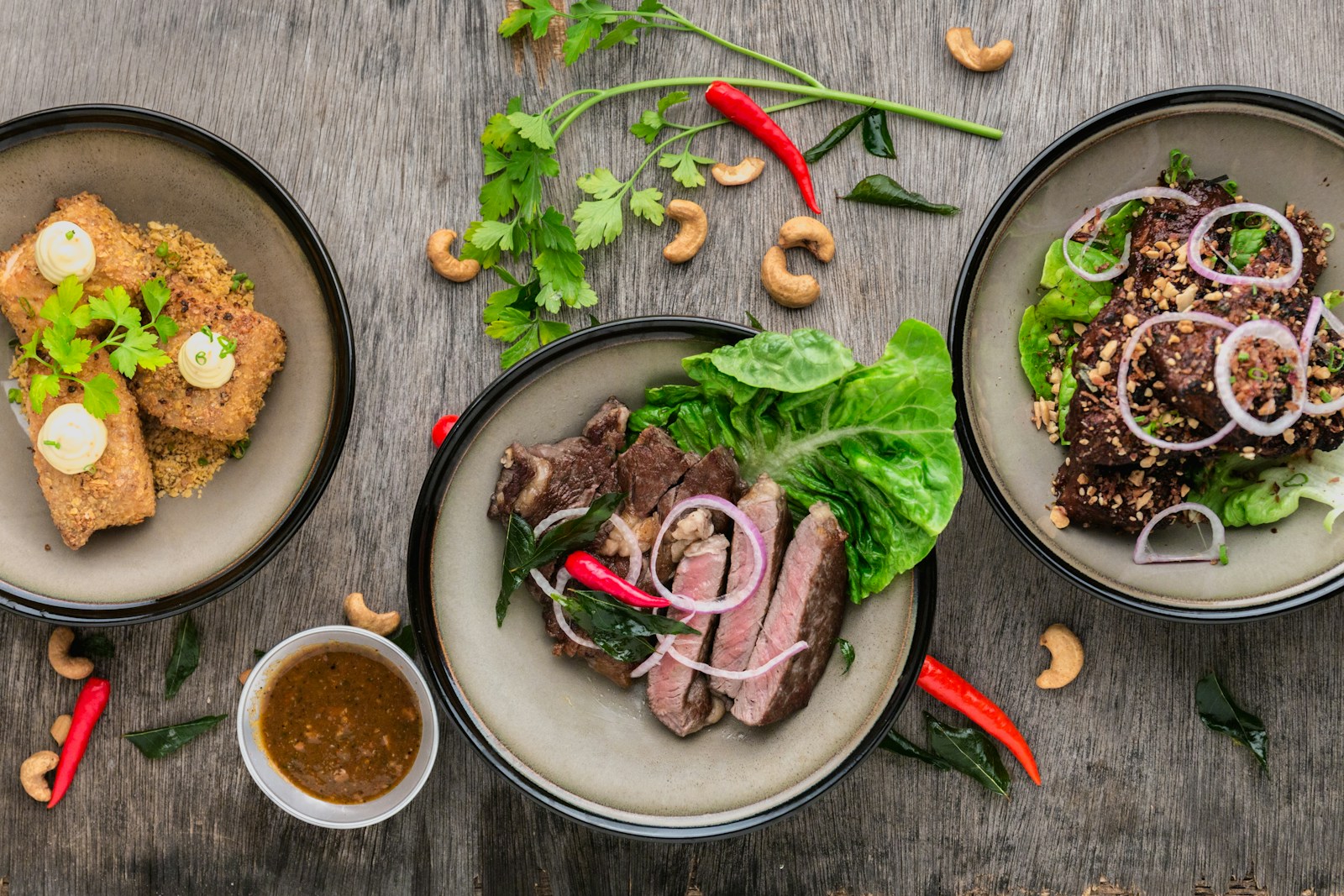
What Is Nighttime Eating Syndrome and Why It Happens

The condition typically involves consuming a large portion of daily calories after 8 PM, sometimes even waking up to eat. The biological drive to eat at night is not simply a lack of willpower. Ghrelin, the hormone that stimulates hunger, follows a circadian pattern that can peak in the evening for some individuals.

Simultaneously, leptin, the hormone that signals fullness, may be less effective during nighttime hours. This creates a physiological vulnerability that makes late-night eating more likely and harder to resist.


Levando o protocolo de peptídeos a sério? Acompanhe tudo no app.

Baixar o app

The Link Between Sleep, Stress, and Late-Night Snacking

Sleep deprivation plays a significant role in nighttime eating. When you do not get enough sleep, the body produces more ghrelin and less leptin. A study in the American Journal of Clinical Nutrition demonstrated that sleep-restricted individuals consumed significantly more calories from snacks.

Stress compounds this effect by elevating cortisol levels, which can increase appetite and drive cravings for high-calorie comfort foods.

Those who track their sleep alongside their food intake often notice this connection clearly. When your sleep score drops, the app pulls up your recent entries so you can see the pattern yourself: late nights tend to coincide with those unplanned snacks.


Disponível agora gratuitamente

Acompanhe seu protocolo de peptídeos

Registre doses, monitore seu progresso e acompanhe seus resultados com o PeptPro. Tudo em um único lugar, de forma simples e intuitiva.

Baixar o app
ou baixe o app
Download on the App StoreGet it on Google Play

Artigos Relacionados

Baixar naApp Store
DISPONÍVEL NOGoogle Play

How GLP-1 Medications Affect Night Hunger

GLP-1 receptor agonists like semaglutide and tirzepatide have shown remarkable efficacy in reducing overall appetite, and their effects extend to nighttime eating patterns. Clinical trials have demonstrated that semaglutide reduces the frequency of binge eating episodes, including those occurring at night.

The reduction in nighttime hunger is particularly significant because late-night calories are more likely to be stored as fat due to reduced physical activity and metabolic rate during sleep.


Building a Routine That Prevents Midnight Episodes

Establishing a consistent evening routine can significantly reduce the likelihood of nighttime eating episodes. Prioritize having a balanced dinner that includes adequate protein and fiber.

Create a specific wind-down routine that does not involve the kitchen. Keep unhealthy snacks out of sight and out of mind.

This tool lets you set a daily eating window and sends a gentle reminder when that window is closing, so you are not caught off guard by a closing time you forgot you set.


Acompanhe doses, progresso e efeitos num só lugar.

Começar agora

What to Do When Cravings Hit After Midnight

First, pause and assess whether you are experiencing true physical hunger or simply a habit-driven urge. Often, a craving will pass within 15 to 20 minutes if you can distract yourself.

If you determine you must eat, pre-portion a small, planned snack rather than eating directly from a package.

The app keeps a running food history that makes it easy to log what you eat, even if it is just a single item at 1 AM. Having that entry there, with the timestamp, gives you data you can actually use when you review your week.


Tracking Your Night Pattern and Breaking the Cycle

The food logging system lets you record not just what you eat, but when and why. Over time this builds a picture that goes beyond calories.

The timeline view shows your eating window at a glance. Built-in analytics help you correlate your eating patterns with other factors like sleep quality and stress levels. You do not need to remember everything, the app surfaces the connections for you.

With the right support and the right tools, you can break the cycle and wake up feeling more in control. Start mapping your pattern today.


Sources: Stunkard AJ et al., Eating and Weight Disorders 2010. Taheri S et al., American Journal of Clinical Nutrition 2004;80(5).

Person logging food at night using a phone app

Aviso: Este conteúdo é apenas informativo e não substitui orientação médica profissional. Consulte sempre seu médico antes de iniciar, alterar ou interromper qualquer tratamento.

24 visualizações
Compartilhar

Neste artigo

Ver todos
Ansiedade no Tratamento com GLP-1: O Que a Ciência Diz
Saúde Mental

Ansiedade no Tratamento com GLP-1: O Que a Ciência Diz

Entenda a relação entre GLP-1 e ansiedade, o que a pesquisa mostra sobre humor e tratamento, e como monitorar seu estado emocional com o PeptPro.

20 de jun. de 2026 · 5 min de leitura
Ansiedade e GLP-1: O Que a Relação Diz Sobre Seu Humor
Saúde Mental

Ansiedade e GLP-1: O Que a Relação Diz Sobre Seu Humor

Ansiedade e GLP-1 tem mais conexao do que parece. Entenda o que a ciencia sabe, o que e efeito colateral, e como gerenciar o sintoma durante o tratamento.

20 de jun. de 2026 · 6 min de leitura
Compulsão Alimentar Noturna e GLP-1: O Que Você Precisa Saber
Saúde Mental

Compulsão Alimentar Noturna e GLP-1: O Que Você Precisa Saber

A compulsão alimentar noturna é comum em pessoas com obesidade e pode persistir durante o tratamento com GLP-1. Entenda os mecanismos e como o PeptPro pode ajudar a quebrar o ciclo.

19 de jun. de 2026 · 4 min de leitura