PeptProblog
InícioSaúdeEfeitos ColateraisAlimentaçãoExercício e Corpo
Baixar App
PeptPro
blog

Conteúdo baseado em evidências para apoiar quem leva o protocolo de peptídeos a sério.

Navegação

  • Início
  • Categorias

Categorias

  • Saúde
  • Efeitos Colaterais
  • Alimentação
  • Exercício e Corpo
  • Saúde Mental
  • Como Usar
  • Tratamento

App PeptPro

Acompanhe seu protocolo de peptídeos diretamente no celular.

Baixar naApp Store
DISPONÍVEL NOGoogle Play
© 2026 PeptPro. Todos os direitos reservados.
PrivacidadeTermos de Uso
  1. Início
  2. ›Blog
  3. ›Exercício e Corpo
  4. ›Resistance Training and GLP-1: How Strength Work Supports Your Treatment
Exercício e Corpo

Resistance Training and GLP-1: How Strength Work Supports Your Treatment

28 de ago. de 2026·5 min de leitura·44 visualizações·Equipe Editorial PeptPro
Resistance Training and GLP-1: How Strength Work Supports Your Treatment

When the scale starts moving down, one of the most common worries is losing muscle along with fat. For people using GLP-1 medications, this concern carries extra weight because weight loss induced by

When the scale starts moving down, one of the most common worries is losing muscle along with fat. For people using GLP-1 medications, this concern carries extra weight because weight loss induced by these drugs can include a meaningful proportion of lean mass if nothing is done. Resistance training addresses a large part of this problem.

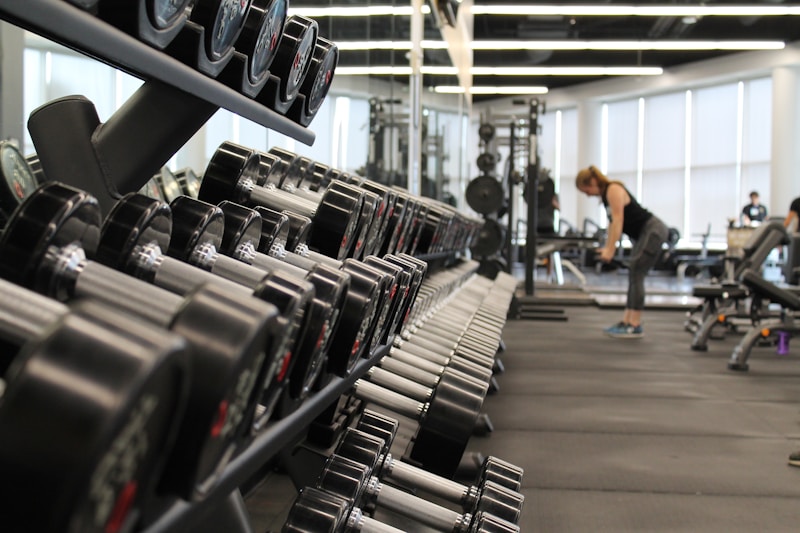
Man lifting weights

Why Muscle Matters During Treatment

Skeletal muscle is metabolically expensive. It burns energy even at rest, which helps keep your metabolism from slowing too sharply during a caloric deficit. When you lose muscle mass, your body burns fewer calories at rest, and that opens the door to the frustrating plateau that sidetracks so many people in treatment.

Research on GLP-1 medications shows that weight loss includes some degree of lean mass loss, especially when dietary protein falls short or when the person is sedentary. This is not about losing all your muscle, but about a proportion that matters for long-term outcomes. Preserving and building muscle during treatment is one of the most effective ways to sustain results over time.

The PeptPro app connects to Apple Health to record your workouts and track your progress. You can clearly see how many times you trained each week, how long each session lasted, and how your weight and measurements evolved alongside your exercise routine. Download here.

Woman doing functional training

Registre seu peso e sincronize passos e treinos com o Apple Health.

Registrar no app
Disponível agora gratuitamente

Integração com Apple Health

Sincronize passos, treinos e dados de atividade diretamente do Apple Health. Tenha uma visão completa dos seus movimentos diários ao lado do seu protocolo.

Baixar naApp Store
DISPONÍVEL NOGoogle Play

Artigos Relacionados

Baixar naApp Store
DISPONÍVEL NOGoogle Play

How to Start Safely

Fear of doing exercise wrong holds many people back before they even begin. The good news is that you do not need to become an athlete to see real benefits. Strength training does not need to be intense every day. Two to three weekly sessions focused on major muscle groups already make a measurable difference in preserving lean mass during GLP-1 treatment.

Compound movements like squats, bench press, deadlifts, and rows give the best return because they work several muscles at once. If you are new to training, starting with bodyweight or light loads and focusing on technique is the safest path. Progression comes naturally as the body adapts.

Watch your hydration during workouts. Strength training increases fluid loss through sweat, and this compounds the hydration challenges many patients already face on GLP-1. In PeptPro, log your workouts and water consumption. The app lets you track everything together, which helps identify patterns between exercise and overall well-being.

Person hydrating during workout

Nutrition and Recovery

Training is only half the equation. What you eat before and after your session determines in large part how much you gain from exercise. Protein is the most important nutrient for muscle synthesis, and during GLP-1 treatment, hitting adequate protein intake requires deliberate attention because reduced appetite makes reaching those amounts harder.

The general recommendation for people in treatment is to aim for roughly one gram of protein per kilogram of body weight per day, spread across three to four meals. That translates to about twenty to thirty grams of protein per meal. For anyone struggling to eat enough protein, chicken breast, fish, eggs, Greek yogurt, and legumes are practical, high-quality options.

Recovery deserves attention too. Muscle grows during rest, not during the workout session. Adequate sleep and rest days between strength sessions are part of the process. PeptPro lets you log sleep and morning energy levels, which helps you notice whether you are recovering well or need to dial back intensity. Check it out here.
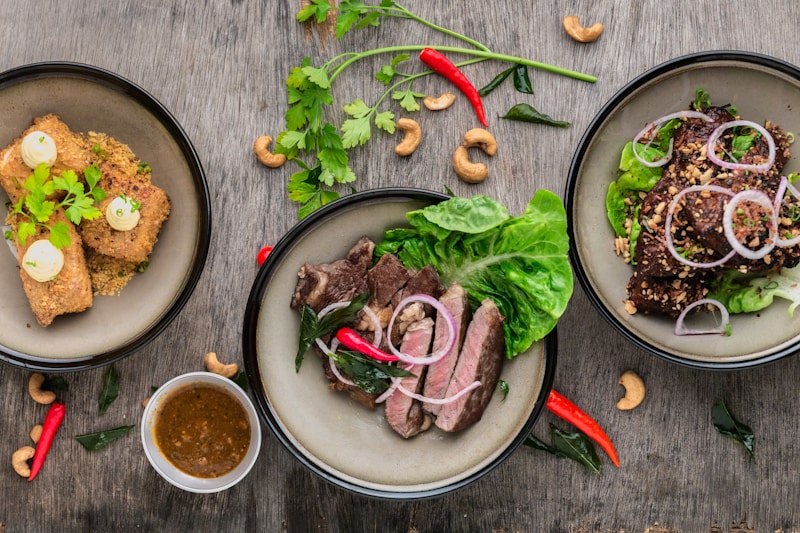
High-protein meal

Signs That Something Is Off

Certain signals during training deserve attention. If you feel excessive dizziness, sudden weakness, or your energy drops sharply mid-session, the caloric deficit may be too aggressive for your activity level. That does not mean stopping exercise, but rather reducing intensity temporarily and discussing adjustment with your doctor.

Mild joint soreness is expected, particularly for people who are overweight and starting to bear loads. Sharp pain or soreness that does not improve with ice and rest calls for evaluation. Do not mistake normal exercise discomfort for pain that signals injury.

Having a record of what you feel during and after workouts is invaluable when talking with your trainer and your doctor. In PeptPro, you can note how each session ended and compare with sleep and energy data from following days. That history is worth more than memory when deciding whether you are on the right track. Get started here.

Registre seu peso e sincronize passos e treinos com o Apple Health.

Registrar no app

Bottom Line

Resistance training is a powerful tool for people on GLP-1 because it preserves and builds lean muscle during weight loss, which keeps metabolism active and improves long-term outcomes. Start with two to three weekly sessions of compound movements, watch your protein intake, and do not skip rest. Use PeptPro to log workouts, sleep, hydration, and energy, building a record that helps you and your healthcare team adjust treatment based on real data.

References

  1. Blundell JE, et al. "GLP-1 Function and Energy Homeostasis." Physiology & Behavior, 2017. https://doi.org/10.1016/j.physbeh.2017.01.004
  2. Miller LE, et al. "Effects of Progressive Resistance Training During Weight Loss on Body Composition and Metabolic Health." Obesity, 2019. https://doi.org/10.1002/oby.22647
  3. Cava E, et al. "Preserving Healthy Muscle During Weight Loss." Advances in Nutrition, 2017. https://doi.org/10.3945/an.116.014546
  4. Wewege M, et al. "Resistance Training for Fat Loss and Body Composition in Adults: A Systematic Review." Journal of Cachexia, Sarcopenia and Muscle, 2017. https://doi.org/10.1007/s13539-017-0297-5

Aviso: Este conteúdo é apenas informativo e não substitui orientação médica profissional. Consulte sempre seu médico antes de iniciar, alterar ou interromper qualquer tratamento.

44 visualizações
Compartilhar

Neste artigo

Ver todos
Eletrólitos e GLP-1: Por Que a Hidratação Mineral é Essencial no Tratamento
Exercício e Corpo

Eletrólitos e GLP-1: Por Que a Hidratação Mineral é Essencial no Tratamento

Entenda por que manter eletrólitos em dia é essencial durante o tratamento com GLP-1.

2 de set. de 2026 · 7 min de leitura
Sarcopenia e GLP-1: Como Proteger Sua Massa Muscular Durante o Tratamento
Exercício e Corpo

Sarcopenia e GLP-1: Como Proteger Sua Massa Muscular Durante o Tratamento

Entenda o que é sarcopenia, por que quem usa GLP-1 precisa prestar atenção na perda muscular e o que você pode fazer para preservar força e mobilidade.

30 de ago. de 2026 · 4 min de leitura
Exercício e Corpo

Eletrólitos e GLP-1: Por Que Sódio, Potássio e Magnésio Fazem Diferença

Quando você toma GLP-1, seu corpo perde eletrólitos mais rápido do que o habitual. Entenda o que acontece e como evitar desidratação e fadiga.

29 de ago. de 2026 · 4 min de leitura