PeptProblog
InicioSaludEfectos SecundariosAlimentaciónEjercicio y Cuerpo
Descargar App
PeptPro
blog

Contenido basado en evidencia para apoyar a quienes se toman en serio su protocolo de péptidos.

Navegación

  • Inicio
  • Categorías

Categorías

  • Salud
  • Efectos Secundarios
  • Alimentación
  • Ejercicio y Cuerpo
  • Salud Mental
  • Cómo Usar
  • Tratamiento

App PeptPro

Sigue tu protocolo de péptidos directamente desde tu celular.

Descargar en elApp Store
DISPONIBLE ENGoogle Play
© 2026 PeptPro. Todos los derechos reservados.
PrivacidadTérminos de Uso
  1. Inicio
  2. ›Blog
  3. ›Ejercicio y Cuerpo
  4. ›Exercise and Peptides: How Physical Activity Maximizes Your Protocol
Ejercicio y Cuerpo

Exercise and Peptides: How Physical Activity Maximizes Your Protocol

24 jun 2026·7 min de lectura·25 visualizaciones·Equipe Editorial PeptPro
Exercise and Peptides: How Physical Activity Maximizes Your Protocol

Combine exercise and peptides for better results. See what science says about training, hydration, and tracking with PeptPro.

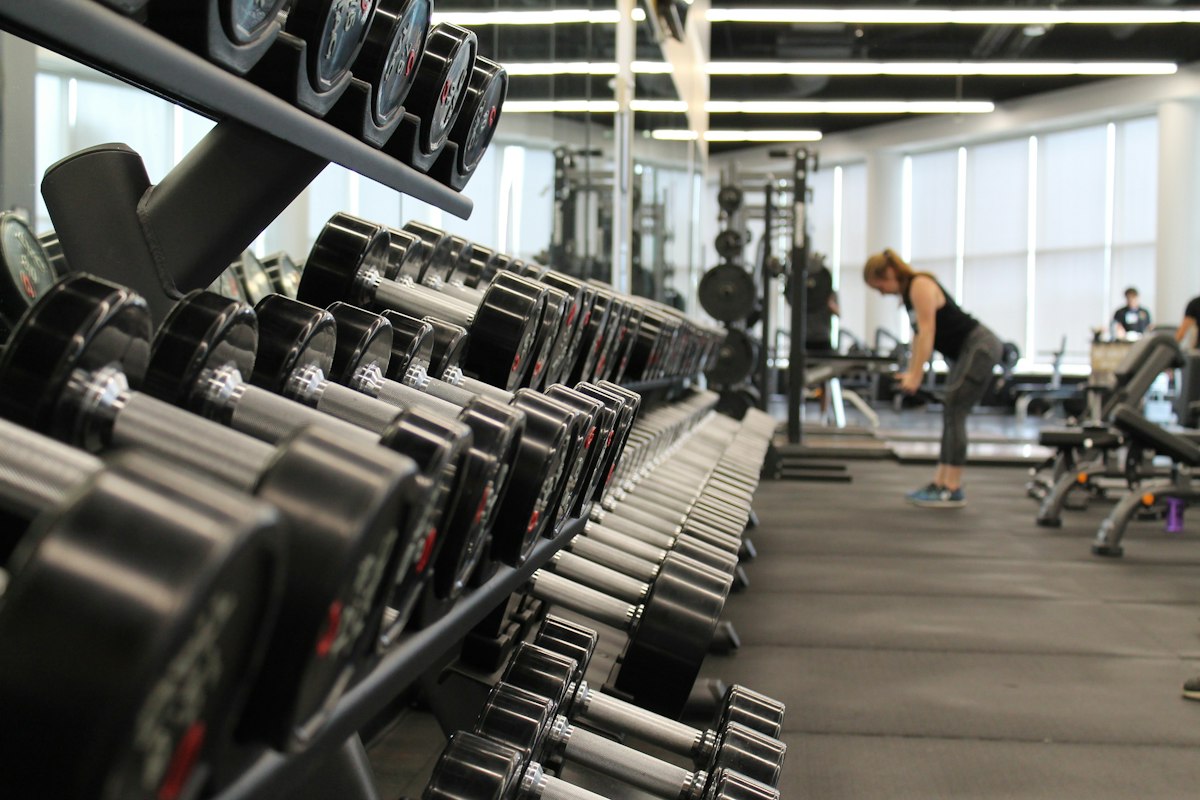
Person doing strength training at the gym with visible progress markers

If you are on a peptide protocol and think exercise is optional, this article is for you. GLP-1 agonists and peptides do not replace physical activity. They work together, and the data is clear on that. Protocols using semaglutide, tirzepatide, and similar compounds deliver better outcomes when combined with regular exercise. The question is not whether you should move. It is how to structure that movement so your protocol works at its full potential.

PeptPro tracks exercise via Apple Health, hydration, and weight in one place. Everything integrates with your protocol so you can see what is actually working.

What Science Says About Exercise and GLP-1

Researchers have studied the interaction between physical activity and GLP-1 agonists for years. The results consistently point in the same direction.

Blondin et al. (2015) published a study in the Journal of Clinical Endocrinology & Metabolism showing that aerobic exercise increases GLP-1 sensitivity independently of weight loss. Participants who exercised five times per week showed a significant increase in post-meal GLP-1 secretion. That means the exercise itself made the medication work better. It was not just the weight loss that followed.

Jensen et al. (2018) examined patients using GLP-1 agonists with and without an exercise program. The group that combined the medication with regular physical activity preserved substantially more lean mass. Losing weight is good. Losing muscle while doing it is not. Exercise is what separates those two outcomes.

Madsen et al. (2019) looked at resistance training during semaglutide treatment and found that it helped maintain basal metabolic rate. When you lose weight through calorie restriction alone, your metabolism tends to slow down. Resistance training counteracts that effect. The people who trained kept burning calories at a higher rate than those who relied on medication without exercise.

The pattern across these studies is simple. Exercise is not optional when you are on a peptide protocol. It is part of the protocol itself.

Disponible ahora gratis

Integración con Apple Health

Sincroniza pasos, entrenamientos y datos de actividad directamente desde Apple Health. Obtén una imagen completa de tu movimiento diario junto a tu protocolo.

Descargar en elApp Store
DISPONIBLE ENGoogle Play

Artículos Relacionados

Descargar en elApp Store
DISPONIBLE ENGoogle Play

Registra tu peso y sincroniza pasos y entrenamientos con Apple Health.

Registrar en la app

Cardiovascular Exercise and Peptides

Cardio does something specific for people on GLP-1 agonists. It enhances the satiogenic effect of the medication. In plain terms, you feel full faster and that feeling lasts longer when you exercise regularly. Hunger decreases more quickly, which makes sticking to your nutrition plan considerably easier.

The general recommendation is 150 minutes per week of moderate cardiovascular activity. That breaks down to about 30 minutes, five days a week. Walking, swimming, cycling, and similar activities all count. You do not need to run marathons. Moderate, steady effort gave better results for appetite control. The starting point is consistency, not intensity.

Klein et al. (2020) published research in Medicine & Science in Sports & Exercise comparing moderate versus high-intensity exercise in patients using GLP-1 agonists. The surprising finding was that moderate intensity produced better satiety results. High-intensity training can stress the body in ways that interfere with hunger regulation.

Practical tip: Record the type and duration of your cardio sessions. PeptPro logs exercise data automatically through Apple Health and cross-references it with your weight and dose. You can see whether a given week of more cardio translated to better results and adjust from there.

Strength Training and Muscle Preservation

Here is a fact that surprises many people starting a peptide protocol. Weight loss with peptides can reduce lean muscle mass if you do nothing to protect it. The medication lowers your calorie intake by reducing appetite. When your body has fewer calories coming in, it looks for energy to burn. If you are not strength training, it will pull from muscle as well as fat.

Weiss et al. (2022) presented data from Novo Nordisk showing the difference exercise makes. Patients on semaglutide who strength-trained two to three times per week lost weight that was 85 percent fat and 15 percent muscle. Users on the same medication who did not exercise lost weight that was only 70 percent fat and 30 percent muscle. That is a dramatic gap in outcomes from the same medication.

The mechanism is straightforward. Resistance training signals your body to hold onto muscle even in a caloric deficit. You are giving your muscles a reason to stay.

The most studied approach uses compound movements. Squats, bench presses, deadlifts, and pull-ups work multiple muscle groups at once and stimulate the kind of systemic response that protects lean mass. Three sets of eight to twelve reps, two to three sessions per week, is enough to see results. You do not need to live in the gym.

If you want to track your progress, PeptPro pulls your strength training data from Apple Health and lets you log weight and photos to compare over time. The visual record matters because the scale does not tell the whole story when you are gaining muscle and losing fat at the same time.

Hydration: The Pillar Many Ignore

GLP-1 agonists reduce appetite, but they also reduce the sensation of thirst in some people. You may not feel dehydrated even when you are. This sounds minor but it is not. Dehydration impairs how your body clears the medication. It also increases the risk of constipation and nausea, two of the most common side effects people experience.

Negoianov et al. (2009) published research in the Journal of Renal Nutrition showing that even mild dehydration reduces renal clearance of peptide medications. Your kidneys work less efficiently when you are underhydrated, which affects how the drug moves through your system.

The practical goal on training days is 30 to 40 milliliters of water per kilogram of body weight. For a person weighing 80 kilograms, that is roughly 2.5 to 3.2 liters on days you exercise. Add more on particularly hot days or when you sweat heavily.

PeptPro has an integrated hydration module. You log your intake directly in the app and see how it lines up with your training days and dose timing. It is one of those details that separates a basic protocol from a well-run one.

Registra tu peso y sincroniza pasos y entrenamientos con Apple Health.

Registrar en la app

How to Track Everything in PeptPro

This is where the app proves its value. PeptPro connects with Apple Health to pull your steps, cardio sessions, strength training, and sleep data automatically. You do not enter it manually. It shows up.

What you do log manually is weight, hydration, dose, and symptoms. The app then cross-references everything. You can see dose versus exercise versus weight versus how you felt that day. Over time, patterns emerge. You learn what works specifically for your body, not just in theory but in your actual daily experience.

The PeptLearn library inside the app has material on exercise and peptides that goes deeper into the why behind these recommendations. If you want to understand the mechanism, it is there.

Download here and start tracking your routine. The first week of data is the hardest part. After that it becomes habit.

Conclusion

Exercise is not a supplement you add to your peptide protocol. It is a condition for better results. The studies are consistent. Cardio makes GLP-1 agonists work better for appetite control. Strength training protects your metabolism and keeps your muscle mass intact. Hydration ensures the medication clears properly and reduces side effects.

The combination of cardio plus strength plus proper hydration plus consistent tracking is what a complete protocol looks like. PeptPro brings all of those pieces together in one place. No spreadsheets. No forgetting to log. No guessing.

If you are serious about getting the most out of your peptide protocol, start treating exercise as non-negotiable. The app will help you track it. Get started here and build the habit that makes the difference.

Aviso: Este contenido es solo informativo y no sustituye la orientación médica profesional. Consulta siempre a tu médico antes de iniciar, cambiar o interrumpir cualquier tratamiento.

25 visualizações
Compartir

En este artículo

Ver todos
Cómo proteger tu masa muscular mientras bajas de peso con GLP-1
Ejercicio y Cuerpo

Cómo proteger tu masa muscular mientras bajas de peso con GLP-1

Descubre cómo preservar tu masa muscular durante el emagrecimiento con GLP-1. Entrenamiento resistance, nutrición adecuada y monitoreo son las claves.

24 jul 2026 · 7 min de lectura
Ejercicio y Cuerpo

GLP-1 y Pérdida de Masa Muscular: Cómo Evitarlo

Cómo evitar la pérdida de masa muscular con GLP-1. Estrategias con proteína, ejercicio de resistencia y nutrición para preservar musculatura.

24 jul 2026 · 5 min de lectura
Hidratación y tratamiento con péptidos GLP-1: guía para que nada te pare
Ejercicio y Cuerpo

Hidratación y tratamiento con péptidos GLP-1: guía para que nada te pare

Los tratamientos con Ozempic, Mounjaro y Wegovy cambian la forma en que tu cuerpo maneja el agua. Te contamos qué pasa, qué síntomas vigilar y cómo actuar.

22 jul 2026 · 8 min de lectura