PeptProblog
InicioSaludEfectos SecundariosAlimentaciónEjercicio y Cuerpo
Descargar App
PeptPro
blog

Contenido basado en evidencia para apoyar a quienes se toman en serio su protocolo de péptidos.

Navegación

  • Inicio
  • Categorías

Categorías

  • Salud
  • Efectos Secundarios
  • Alimentación
  • Ejercicio y Cuerpo
  • Salud Mental
  • Cómo Usar
  • Tratamiento

App PeptPro

Sigue tu protocolo de péptidos directamente desde tu celular.

Descargar en elApp Store
DISPONIBLE ENGoogle Play
© 2026 PeptPro. Todos los derechos reservados.
PrivacidadTérminos de Uso
  1. Inicio
  2. ›Blog
  3. ›Ejercicio y Cuerpo
  4. ›Exercise and Peptide Treatment: What You Need to Know
Ejercicio y Cuerpo

Exercise and Peptide Treatment: What You Need to Know

6 jun 2026·7 min de lectura·4 visualizaciones·Equipe Editorial PeptPro
Exercise and Peptide Treatment: What You Need to Know

Can you work out during peptide treatment? The short answer is yes, but your body may need time to adjust. Here is what the research says and how to adapt your routine for safer, more effective training.

Exercise and Peptide Treatment: What You Need to Know

Starting a peptide or GLP-1 therapy does not mean putting your workouts on hold. Most people can stay active during treatment, and many find that movement helps manage side effects while supporting the results they are chasing. The key is knowing how to read your body and adjust intensity based on how you feel each day.

If you want a simple way to keep track of your workouts, symptoms, and hydration all in one place, the PeptPro app lets you log your training sessions alongside your dose, sleep, and water intake. Download it here and build a record you can actually use in your next appointment.

When to Start Exercising After Beginning Treatment

Most people feel well enough to exercise within the first one to two weeks of starting a peptide protocol. The exception is if you experience significant nausea, dizziness, or dehydration in the early days. In those cases, rest takes priority. Light activities like walking are fine even when you are not feeling 100 percent, but hard training deserves a pause until your body settles.

One pattern that shows up often in the first few weeks is post-dose fatigue. If you inject in the morning and feel wiped out by afternoon, consider scheduling your workouts for the evening or saving intense sessions for days between doses. Your body is processing something new, and forcing a hard session when you are running on empty does more harm than good.

¿En serio con tu protocolo de péptidos? Controla todo en la app.

Descargar la app
Disponible ahora gratis

Sigue tu protocolo de péptidos

Registra dosis, monitorea tu progreso y sigue tus resultados con PeptPro. Todo en un solo lugar, simple e intuitivo.

Descargar la app
o descarga la app
Download on the App StoreGet it on Google Play

Artículos Relacionados

Descargar en elApp Store
DISPONIBLE ENGoogle Play

What Science Says About Training on GLP-1 Agonists

Research on semaglutide and similar peptides consistently shows that physical activity improves outcomes. One large trial found that people who maintained regular exercise during GLP-1 treatment saw greater reductions in body fat and better preservation of lean mass compared to those who stayed sedentary. Exercise also appears to enhance insulin sensitivity, which works synergistically with peptide therapies that already target metabolic function.

There is also evidence that movement helps reduce some of the gastrointestinal side effects. Light to moderate cardio, in particular, supports digestion and can ease feelings of fullness or bloating that some people experience on these medications.

That said, no study suggests you need to become a competitive athlete to benefit. Consistent moderate activity, spread across the week, delivers measurable results.

Best Types of Exercise During Peptide Treatment

Your training should reflect where you are starting from and how your body responds over time.

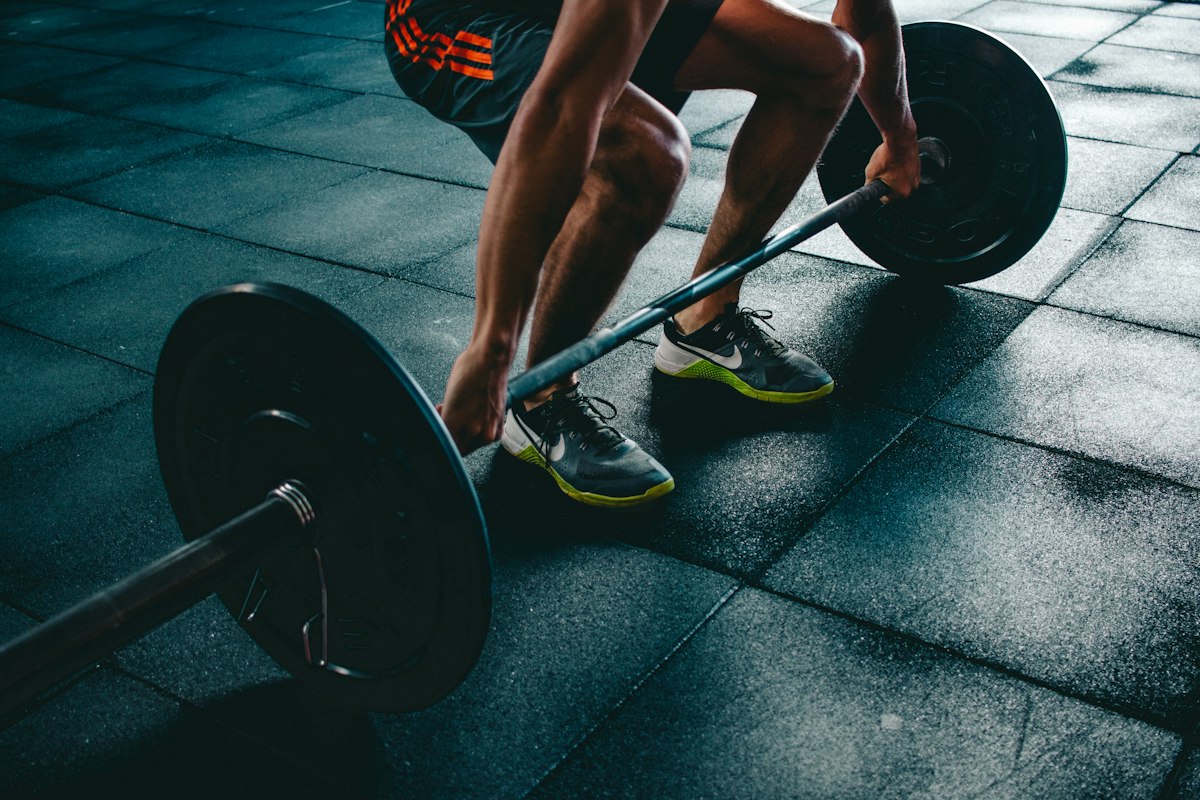
Strength training earns a top recommendation. Preserving muscle mass matters during any weight loss process, and it becomes especially relevant on GLP-1 therapy, where a portion of lost weight can come from lean tissue if you are not actively protecting it. Lifting two to three times per week, focusing on compound movements like squats, deadlifts, rows, and overhead presses, covers the essentials. Start with weights that feel manageable and add load gradually.

Low impact cardio is gentler on the joints and easier to recover from. Brisk walking, cycling, swimming, or using an elliptical machine keeps your cardiovascular system working without the repeated impact that can aggravate joints, particularly if you are carrying extra weight. Aim for at least 150 minutes per week of moderate intensity aerobic activity, as general health guidelines recommend.

HIIT and intense conditioning can work if you have been training regularly and feel good. Use your post-dose energy levels as a guide. On days when you feel strong, a 20-minute HIIT session is fair game. On days when fatigue is high, swap it for a walk or skip it entirely. Forgetting to match training to your daily capacity is one of the most common mistakes people make during any treatment that affects appetite and energy.

Flexibility and mobility work deserves a mention even if it does not burn calories. Peptide therapies sometimes cause mild muscle stiffness as your body composition shifts. Five to ten minutes of dynamic stretching or a short yoga flow after your main workout keeps things moving and reduces soreness.
Woman doing cardio training at the gym

Adapting Your Workout Routine

Expect some fluctuation in your performance during the first month. Appetite suppression can make pre-workout fueling trickier, and if you are eating less overall, your energy for high intensity efforts may dip. This does not mean the treatment is not working. It means your body is adapting, and your training should reflect that.

Consider shortening sessions when fatigue is high rather than skipping them entirely. A 30-minute walk or a light upper body session keeps the habit alive without depleting you. The goal is consistency over weeks and months, not heroic efforts one day and collapse the next.

Hydration also needs attention. Peptide therapies can reduce your sense of thirst even when your body needs fluids, particularly during exercise. Making a conscious effort to drink water before, during, and after workouts protects your energy levels and supports recovery. The PeptPro app tracks your water intake alongside your dose and training, so patterns become visible over time instead of guesswork.

Sleep quality matters as much as nutrition and training. Growth hormone release and muscle repair happen during deep sleep, and if your rest is disrupted, your recovery slows down. Logging your sleep in the app alongside your workouts gives you a fuller picture of what is actually supporting your progress.

Controla dosis, progreso y efectos en un solo lugar.

Empezar ahora

Nutrition Timing Around Workouts

Without the usual appetite signals, meal timing requires more intentionality. Eating a balanced meal two to three hours before training provides fuel without sitting heavily in your stomach. Prioritize protein and complex carbohydrates, and keep fat moderate, since high fat meals slow digestion and can feel uncomfortable during a workout.

If you train fasted and tolerate it well, that is fine, but listen to your body. Some people feel lightheaded or shaky mid-session when they have not eaten, and that is a signal to adjust, not push through.

Post-workout nutrition helps with recovery. A meal rich in protein within two hours of training supports muscle repair, and staying consistent with your overall protein intake matters even when your appetite is suppressed on the medication.

Adjusting Expectations

Your performance during the first four to six weeks of treatment may not match your pre-treatment baseline, and that is normal. Weight loss from peptide therapy happens faster than most people expect, and when combined with training, the body composition changes can be significant. The scale might move slowly if you are gaining muscle, which is exactly what you want.

Body composition measurements, progress photos, and how your clothes fit give you better information than weight alone during this period.

Tracking Everything in One Place

The most practical step you can take is logging your training, symptoms, hydration, and dose in a single app. Patterns that are invisible in your head become obvious when you see them laid out. If you notice that your energy dips on certain days of the week or that your hydration drops consistently after harder sessions, you can act on that information instead of guessing.

PeptPro is built exactly for this. You record your workout, your dose, how you slept, and how much water you drank, all in a few taps. The data builds a picture over time that you can share with your prescriber at your next review. Start using it here.

Staying active during peptide treatment is not just safe, it is one of the most effective things you can do to maximize your results. You do not need perfect sessions. You need consistent ones.

Aviso: Este contenido es solo informativo y no sustituye la orientación médica profesional. Consulta siempre a tu médico antes de iniciar, cambiar o interrumpir cualquier tratamiento.

4 visualizações
Compartir

En este artículo

Ver todos
Ejercicio físico y tratamiento con péptidos: lo que necesitas saber
Ejercicio y Cuerpo

Ejercicio físico y tratamiento con péptidos: lo que necesitas saber

Descubre cómo adaptar tu rutina de ejercicio durante el tratamiento con péptidos y GLP-1. Tipos de entrenamiento seguros, intensidad recomendada y consejos prácticos para integrar actividad física con tu protocolo.

6 jun 2026 · 7 min de lectura