
Staying hydrated sounds simple. You drink water, you stay hydrated, end of story. Except during peptide or GLP-1 treatment, water intake connects directly to how well your medication absorbs, how steady your progress feels, and how much the numbers on the scale reflect what is actually happening in your body. If you want to track your water intake alongside your dose, PeptPro makes that easy. Try it here.
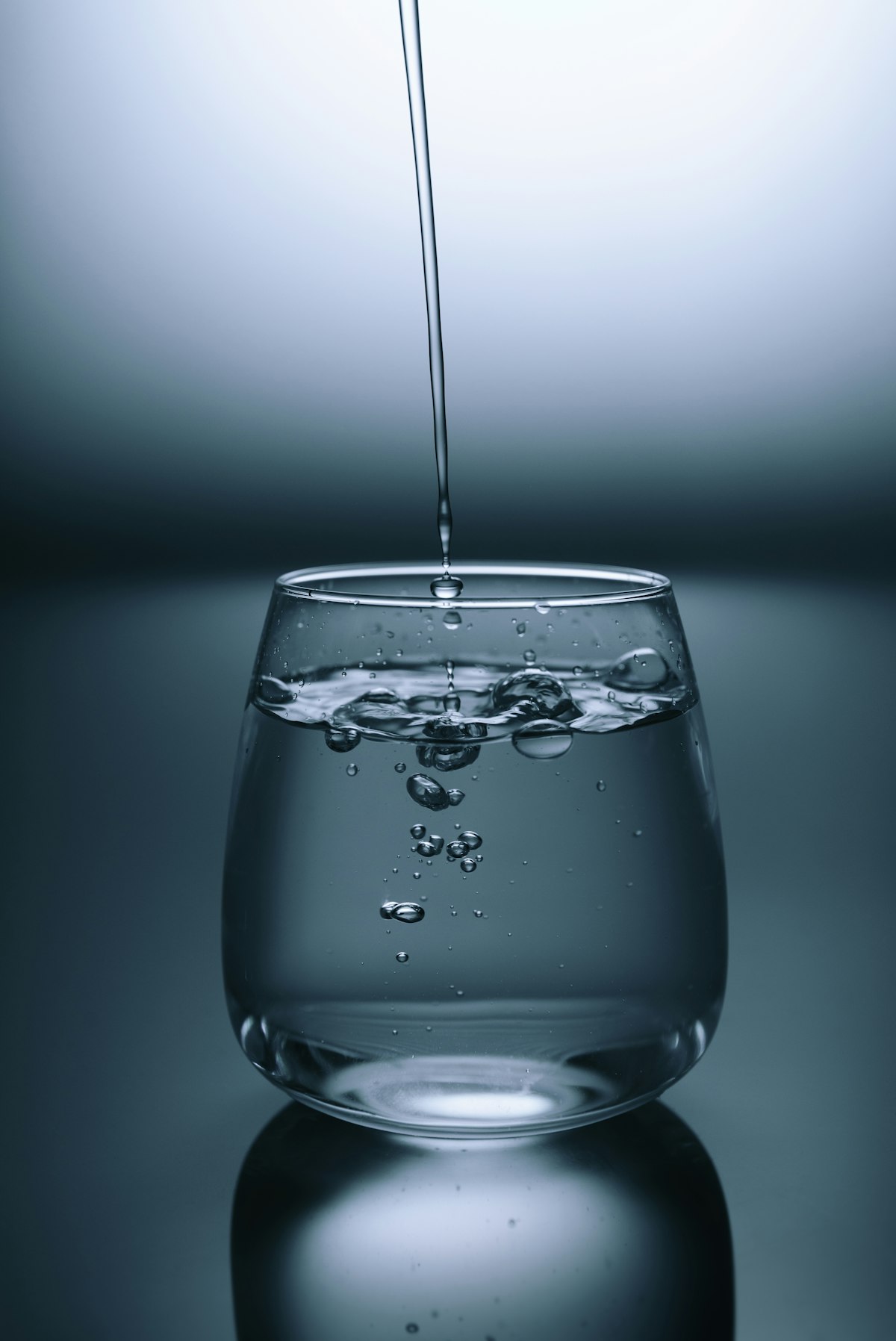
When you inject a peptide or GLP-1 agonist, the medication enters your bloodstream and works by mimicking hormones that regulate appetite, blood sugar, and metabolism. Your circulatory system delivers it to target tissues. That process depends on adequate fluid volume to function properly. When you are even mildly dehydrated, your blood flow slows down and the medication takes longer to reach the tissues that need it. The half-life of your dose stays the same, but the distribution feels sluggish, and you may notice inconsistent effects from one week to the next that have nothing to do with the medication itself.
Beyond absorption, hydration affects the side effects that most people on peptide therapy report. Nausea, headache, fatigue, and constipation show up more frequently when fluid intake falls short. These are exactly the symptoms that make people question whether the treatment is working for them. In many cases, drinking more water resolves or reduces those symptoms. The connection is direct, and it is one of the simplest things you can control.
Your body signals dehydration in ways that are easy to dismiss. A headache after your morning dose gets blamed on the medication, but it often reflects the fact that you had coffee and skipped water. Dry mouth is labeled as a normal side effect when it is really a warning sign. Dark yellow urine, fatigue that does not match your activity level, dizziness when you stand up quickly, and muscle cramps after a light workout all point to the same issue. If any of these sound familiar, hydration deserves a closer look before you assume the medication is the cause.
Most guidelines suggest 2 to 2.5 liters of water per day as a baseline for adults, but that number shifts depending on your activity level, the climate you live in, your body weight, and whether you are sweating more than usual. Someone who exercises regularly needs more than a sedentary person. Someone in a hot, humid environment needs more than someone in a temperate zone. A larger person generally needs more than a smaller one. These are not arbitrary adjustments. They reflect real physiological differences in fluid demand.
People often get confused when the scale moves in an unexpected direction after they start drinking more water. They assume the extra water weight means something is wrong. It does not. Hydration affects weight measurement in two opposing ways. When you are dehydrated, your body holds onto water as a survival mechanism, and the scale can read higher because of fluid retention even though you are technically running low on water. When you hydrate properly, that retained water releases, and you see a drop that looks like progress but is really just better fluid balance. The real signal comes from tracking over time, not from a single reading. Consistent hydration leads to consistent, readable data that actually helps your healthcare provider make good decisions about your dose.
Tracking your water intake next to your dose matters for another reason. When you log what you drink alongside when you take your medication, patterns emerge. You may notice that weeks where you drank significantly less also correspond to increased appetite, more pronounced side effects, or weight loss that stalls. The opposite also holds true. Patients who keep a hydration log alongside their injection schedule report that they feel more stable from week to week and that their healthcare appointments are more productive because they arrive with actual data instead of vague memories.
For those who exercise during peptide or GLP-1 treatment, hydration becomes even more critical. Intense training sessions flush water and electrolytes out of your system faster than everyday activities. Dehydration on workout days amplifies muscle soreness, reduces endurance, and can make the medication feel like it is working less effectively because circulation is compromised. Adding electrolytes on days with hard training sessions helps, but the foundation is still consistent water intake throughout the day.
There are practical steps that make this easier to sustain. Drinking a full glass of water at the time of your injection is one of the simplest habits to build. It creates a routine anchor, ensures fluid is present when the medication enters your system, and takes almost no effort. Using an app that tracks water intake alongside your treatment data keeps everything in one place so you do not have to cross-reference separate logs. PeptPro records your daily water intake and tracks it alongside your dose, so you can see at a glance whether your hydration was consistent on the days you took your medication.
The medication level feature in PeptPro shows your current treatment state based on the half-life of your specific peptide and your injection schedule. That information makes it easier to understand why you might feel hungrier on day five compared to day two, or why the scale behaves differently depending on where you are in your dosing cycle. When you combine that with your hydration log, you get a complete picture of what is driving your symptoms and your results.
Some situations call for a conversation with your healthcare provider rather than home remedies. If you experience persistent excessive thirst that does not go away no matter how much you drink, that warrants medical evaluation. Swelling in your hands, feet, or face that does not resolve deserves attention, particularly if it comes with headaches or changes in vision. These symptoms can overlap with conditions unrelated to hydration, but they should never be ignored. Tracking your fluid intake and sharing that data with your provider gives them a clearer starting point for investigation.
The bottom line is that water is not an afterthought during peptide or GLP-1 treatment. It is a variable that directly influences how the medication performs, how you feel day to day, and what your progress data actually means. Building the habit of tracking your intake alongside your dose takes a few seconds per day and creates a record that pays off at every check-in.
PeptPro brings your hydration data, dose timing, and medication level all into one place so you can see the full picture of your treatment without guessing. If you want a clearer view of how hydration fits into your peptide or GLP-1 journey, start by downloading the app and logging your first glass of water alongside your next dose. Get started with PeptPro and see how something as simple as tracking your water intake changes the way you understand your treatment.

